
Trump’s $2,000 Tariff Dividend Plan Faces Doubts as Experts Question Timeline, Legality, and Revenue
Behind the scenes, some administration insiders have begun to signal what the public hasn’t yet been told outright: the mid-2026 rollout date for President Donald Trump’s promised $2,000 “tariff dividend”
may be more of an optimistic target than a firm expectation. Quiet discussions in policy circles suggest lingering concerns about the reliability of tariff revenue and the possibility that courts could upend key pieces of the plan before it ever reaches voters.
Yet on Monday, Trump offered his most definitive timeline to date.
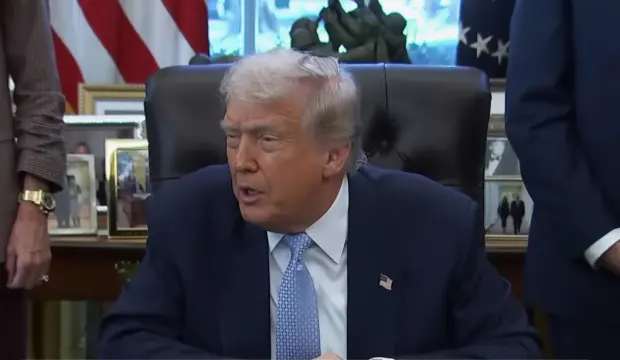
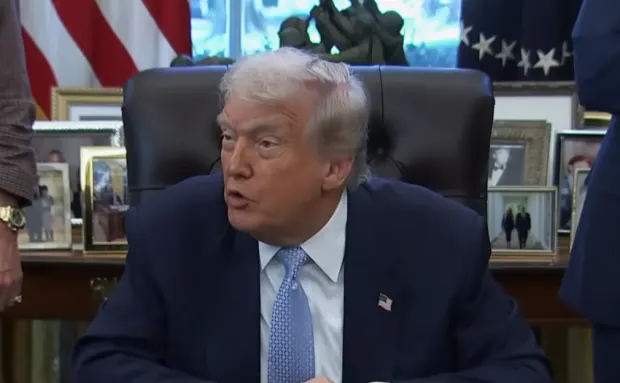
Speaking from the Oval Office, he said Americans could begin receiving tariff-funded payments “as early as the middle of 2026,” presenting the initiative as a direct effort to help working families squeezed by persistent costs. Trump portrayed the dividends as a way of returning tariff revenue “back to the people who deserve it.”
The idea has been floated for months, but this is the first time he’s attached a concrete date to it.
Congress Still Holds the Keys
Despite the confident announcement, the proposal cannot advance unless Congress approves it. Treasury Secretary Scott Bessent reminded reporters over the weekend that enabling legislation is essential before the first dollar can be distributed.
And on Capitol Hill, the reaction remains uncertain. The size of the proposal alone could make it one of the most expensive direct-payment programs in modern history.
A Cost That Could Outrun Revenue
Early financial projections already raise red flags.
Analysts estimate the program could surpass $200 billion if the dividends are distributed to individual adults rather than households. Such a total would exceed all tariff revenue collected in fiscal year 2025 — and would consume nearly half of what the government expects to bring in during FY 2026.

If revenue falls short, the administration would face three options:
raise tariffs even higher,
borrow at levels large enough to affect the deficit, or
cut spending elsewhere — a politically difficult move.
This is one reason insiders have described the 2026 timeline as “aspirational.” Without clarity on revenue and court outcomes, the math doesn’t yet add up.
A Supreme Court Ruling Could Redraw the Map
Adding another layer of uncertainty: the Supreme Court is preparing to rule on whether certain tariffs — especially those justified under national security authority — are legally valid.
A ruling against the administration could:
invalidate significant portions of Trump’s tariff infrastructure,
require the government to issue refunds potentially approaching $3 trillion, and
weaken the legal basis for future tariff hikes.
By highlighting the dividend plan now, the White House may be framing the legal battle as one with direct consequences for ordinary Americans, making the stakes feel personal.
Political Timing That Raises Eyebrows
If the rollout occurs as Trump predicts, the first checks would arrive only months before the 2026 midterm elections — positioning them as one of the largest pre-election cash injections in U.S. political history.
Economists warn that the sheer volume of money could trigger a new wave of inflation, a pattern seen after past bipartisan stimulus efforts. Pumping hundreds of billions into consumer spending could run counter to the administration’s claims of stabilizing prices.
For now, however, Trump remains focused on messaging. The White House has repeatedly pointed to slowing inflation and projected continued improvement, aiming to reassure voters that the economy can absorb the impact.
Conclusion
Trump’s tariff dividend proposal has become a nexus of politics, economics, and legal risk. While the promise of a $2,000 payment may resonate with millions of Americans, its reality hinges on three factors far outside the president’s full control:
congressional approval, sufficient tariff revenue, and Supreme Court rulings that could rewrite the rules entirely.
Until those pieces fall into place, the plan remains a high-profile vision — not a guaranteed future.