
A Hemisphere Shaken
The world woke in disbelief. In a late-night broadcast, the American president declared not just victory, but authority over a foreign nation. There were no warnings, no votes, only the sudden disappearance of a sitting leader and the promise of U.S. oversight. For Washington and Caracas alike, it was less policy than tectonic upheaval—a rupture in the long-standing rules of international order.
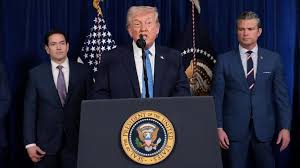
Trump’s announcement upended decades of precedent. In a single operation, U.S. forces extracted Venezuela’s president and first lady, leaving airstrikes, disrupted ports, and disabled communication networks in their wake. The White House framed it as swift and bloodless, a “liberation” with no American casualties, promising peace and justice for Venezuelans—even as the shadow of coercion stretched across the nation.
Beneath the rhetoric, pressing questions multiply. Venezuelans are offered a “real country” by a power long accused of coveting its oil. Congress was bypassed entirely. Analysts whisper about Cuba as the hemisphere’s next flashpoint. For families living under the flight paths of military aircraft, for governments observing nervously, the extraction of Maduro is not an ending—it is the first page of an unpredictable, dangerous chapter.
Conclusion
This unprecedented action rewrites the U.S. foreign policy playbook. It forces urgent questions about sovereignty, accountability, and power: Who governs when might overrides law? How will the region respond? And for the millions of Venezuelans caught between intervention and independence, the consequences will unfold long after the headlines fade. In an instant, the balance of power in the Americas—and the trust between nations—has been irrevocably altered.