
A Glimmer of Hope: Early Signs of Progress Against Glioblastoma
It began subtly, almost imperceptibly. In the sterile quiet of a hospital imaging room, a few radiologists noticed something unusual on their screens. The brain scans didn’t match what they expected.
Tumors that had been advancing relentlessly, carving their paths through delicate neural tissue with ruthless efficiency, seemed to be retreating. Small, almost imperceptible at first, the changes nevertheless hinted at a shift—a vulnerability that had never appeared in this type of aggressive cancer before.
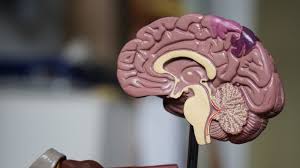
At first, everyone doubted the readings. Machines were recalibrated, data reanalyzed, images compared across multiple time points. Could it be an error? A misread scan? But the results remained. The tumors were shrinking. Not dramatically—yet—but measurably, in a matter of days. What the radiologists observed was unlike anything seen in glioblastoma, a form of brain cancer notorious for defying nearly every treatment in the medical arsenal.
For decades, glioblastoma has been one of medicine’s most formidable foes. Originating in glial cells, which support and protect neurons, these tumors grow with alarming speed, infiltrating healthy tissue and sending microscopic tendrils far beyond the tumor’s visible boundary.
Surgical removal is rarely complete, radiation slows but seldom stops progression, and chemotherapy has limited success against its adaptive, elusive cells. Recurrence is almost inevitable, often within months. Survival rates remain among the lowest for any cancer, making the slightest deviation from expected tumor behavior remarkable.
The Experimental Approach: CAR-T Therapy Meets the Brain
In March 2024, researchers at Mass General Brigham decided to test a daring approach. They built upon CAR-T therapy, a method already revolutionizing treatment for certain blood cancers. In CAR-T therapy, a patient’s own T-cells are extracted, genetically engineered to recognize specific cancer markers, and then reintroduced into the body to attack malignant cells.
But applying this approach to solid tumors, especially within the brain, presents enormous challenges. The brain is protected by the blood-brain barrier, a selective wall of cells that shields neurons from toxins but also prevents most drugs—and immune cells—from penetrating. Glioblastoma tumors compound the difficulty by constantly mutating, changing the proteins on their surfaces to avoid detection.
The team introduced critical innovations. First, they combined the engineered T-cells with specially designed antibodies, which acted as guides, helping immune cells locate and attack the tumors more precisely. Next, rather than injecting the cells into the bloodstream, they delivered them directly into the cerebrospinal fluid, surrounding the brain and spinal cord. This approach bypassed the blood-brain barrier, placing the immune cells closer to their target and enhancing their effectiveness.
The Trial Participants: A Glimpse at Lives in the Balance
The experimental therapy was administered to three patients, all facing recurrent glioblastoma after exhausting conventional treatments. Surgery, radiation, and chemotherapy had failed, leaving them with limited options. While a sample size of three may seem minuscule, early-phase trials often begin this way: small, careful, cautious. The priority is not immediate cure but safety, feasibility, and initial evidence of biological response.
The outcomes were striking. Within just two days, one patient showed an 18.5 percent reduction in tumor size. Over the next ten weeks, scans revealed the tumor shrinking by more than 60 percent. For glioblastoma—a cancer renowned for its relentless growth—these numbers were unprecedented. The second and third patients exhibited similar early responses, with tumors stabilizing or shrinking in ways that defied conventional expectation.
For the first time in years, the research team glimpsed what had long seemed impossible: a glioblastoma tumor responding, visibly and measurably, to an immune attack. While the tumors did not vanish, the speed and scale of the response offered hope that this approach could, with further refinement, reshape treatment strategies.
Why These Early Results Matter
It is crucial to temper optimism with caution. Three patients do not constitute proof of long-term success. Glioblastoma can adapt, returning after months or years. Side effects, particularly from CAR-T therapy, can be severe, including potentially life-threatening immune reactions. Large-scale trials are necessary to determine both efficacy and safety.
Yet, even within these caveats lies significance. For decades, glioblastoma has resisted conventional therapy. The immune system, for all its power, has struggled to recognize these tumors as targets. The early evidence that modified T-cells, guided by antibodies and delivered directly to the central nervous system, can shrink tumors rapidly represents more than incremental progress—it’s a conceptual breakthrough. It demonstrates that, with ingenuity, glioblastoma’s defenses may not be absolute.
Challenges Unique to Brain Tumors
The brain presents unique challenges that tumors elsewhere do not. The blood-brain barrier, while protecting vital tissue from toxins, also prevents many therapies from reaching their target. Glioblastoma’s adaptive biology means that even when treatments initially succeed, tumor cells may alter their surface proteins, rendering previous therapies ineffective.
Additionally, the proximity of tumors to critical brain regions limits surgical and radiological interventions. Small errors can have devastating consequences for speech, motor control, and cognition. Any treatment must therefore balance aggressiveness with safety—a challenge that immunotherapy, particularly CAR-T therapy, seeks to meet by leveraging the patient’s own cells to attack only malignant tissue.
The Broader Context of Immunotherapy
CAR-T therapy is part of a broader movement in oncology: harnessing the immune system to fight cancer. Unlike chemotherapy or radiation, which directly damage cells, immunotherapy empowers the body to recognize malignancy and respond naturally. Successes in blood cancers inspired efforts to extend these therapies to solid tumors, including glioblastoma.
Researchers are now combining CAR-T cells with other innovations: antibody guidance, localized delivery, and genetic modifications that improve persistence and specificity. Each advance helps the immune system overcome the obstacles that tumors, particularly in the brain, present.
The Road Ahead
The next steps are methodical. Larger clinical trials will enroll more patients, allowing scientists to study effectiveness across demographics, tumor genetics, and stages of disease.
Researchers will continue refining the approach, adjusting antibody combinations, T-cell engineering methods, and delivery protocols to maximize safety and tumor response.
Regulatory review, long-term monitoring, and rigorous peer evaluation will follow. Even if this therapy eventually becomes standard practice, widespread adoption will take years of careful study. But the early signs—tumor shrinkage within days—offer a glimpse of potential that has long eluded the field.
The Significance for Patients and Families
For patients and families facing glioblastoma, these developments carry profound emotional weight. Even temporary reductions in tumor size can mean extended time, improved quality of life, and renewed hope. More importantly, the trial represents a shift in perspective: that glioblastoma may not be an immutable enemy but a complex adversary whose defenses can be challenged strategically.
While caution remains essential, for the first time in decades, hope is measurable. It is visible in MRI scans, palpable in discussions among researchers, and deeply personal for those living with the disease.
Conclusion: Fragile Progress, Enduring Hope
Scientific progress is rarely sudden. It builds incrementally, layer by layer, experiment by experiment. Yet sometimes, a single small breakthrough can illuminate an entirely new path. The early successes of this CAR-T–based therapy do not signal a cure.
Glioblastoma remains formidable. But they do offer a critical insight: even the most resistant cancers may have vulnerabilities that careful, innovative science can exploit.
For the three patients who received the treatment, those days of tumor shrinkage were more than medical data points—they were moments of possibility, glimpses of a future where glioblastoma could be controlled, managed, and perhaps eventually overcome.
In the wider context of cancer research, these findings may represent the first cracks in a seemingly impenetrable fortress. And sometimes, as history has shown, even the smallest cracks can grow into pathways to transformation.
In medicine, as in life, progress often appears quietly at first. It may not roar, but it matters. The signs in these early trials remind researchers, patients, and families alike that hope, when backed by careful science, can take root—even in the most unlikely places.