
In a place where every day could be the last, requests are rarely casual. Words carry more weight. Choices become deliberate.
And when patients begin asking for the same simple item again and again, it raises a quiet but powerful question: Why this? Inside one hospice kitchen, a pattern emerged that revealed far more about human need than about food itself.
At an Oxfordshire hospice, where time is measured not in years but in fleeting moments, food takes on a meaning far beyond basic nourishment. It becomes memory, comfort, dignity, and connection.
For Spencer Richards, head chef at Sobell House Hospice, cooking for those nearing the end of life is more than a job — it is a deeply human responsibility shaped by empathy and care.
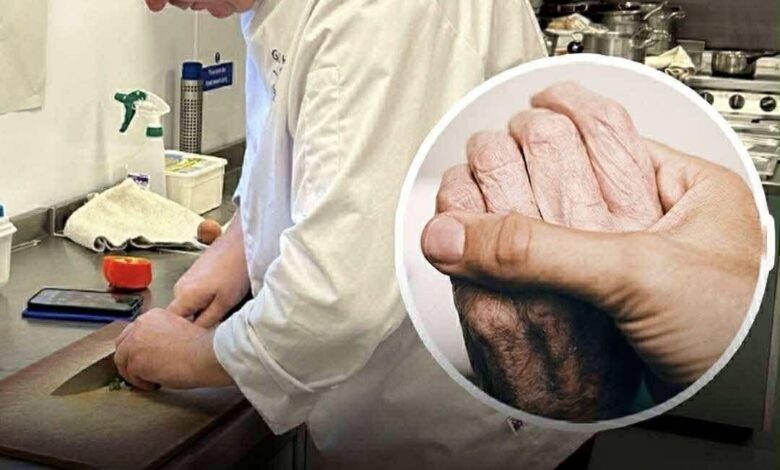
Richards has spent years preparing meals for people in palliative care, patients whose physical strength may be fading but whose emotional experiences remain profound. He often describes his role as one of the greatest honors a chef can hold: creating what may be someone’s final meal. In contrast to the world of fine dining and public acclaim, his kitchen measures success in something far quieter — emotional impact.
Each day presents new challenges. Patients’ appetites shift constantly. Some struggle to swallow. Others battle nausea from medication or treatments. Many lose their sense of taste, while some develop sudden cravings. Cooking in this environment requires flexibility and technical skill, but above all, sensitivity.
One experience Richards often recalls involves a 21-year-old patient who found no comfort in the standard hospice menu. Traditional meals held no appeal. Rather than forcing a compromise, Richards chose to listen. The young man loved street food. So the kitchen adapted — burgers, bold flavors, and familiar comfort replaced formality. The choice wasn’t about convenience or protocol; it was about dignity and being heard.
Another moment left a lasting impression. A 93-year-old woman who had lived her entire life without ever celebrating a birthday had never tasted birthday cake. No candles. No song. When the hospice staff surprised her with one, she broke down in tears. That simple cake carried more emotional weight than any elaborate dish ever could.
Over time, Richards noticed a recurring request among patients nearing the end of life: birthday cake. Not luxurious meals. Not complex flavors. Cake. Soft, sweet, familiar. It represents celebration, childhood, family, and safety. For many — especially those who feel isolated — it is a symbol that they are still seen and valued.
There is also a medical explanation. Richards explains that many patients, particularly those with cancer, develop a preference for sweet foods. Treatments can dull taste or make savory foods unpleasant. Sweetness cuts through that sensory fog, offering comfort without effort. Understanding this has changed how meals are designed, allowing patients to find pleasure rather than discomfort in eating.
But what happens in that kitchen goes beyond nutrition. Food, Richards believes, is one of the most powerful emotional connectors humans have. A smell can unlock forgotten memories. A taste can bring back a loved one. In hospice care — where control over life feels lost — choosing a meal becomes a rare moment of agency.
This perspective resonates with those searching for stories about compassionate healthcare, hospice dignity, and end-of-life care. In a medical world often focused on outcomes and timelines, Richards’ work reminds us that how someone lives their final days matters just as much as how long they live.
The hospice kitchen is not glamorous. There are no cameras or reviews. Yet the emotional rewards are immense. Richards speaks openly about how patients have changed him — teaching lessons in presence, gratitude, and humanity. In this space, cooking returns to its most essential purpose: caring for people.
Palliative care specialists often stress that comfort is more than pain relief. Emotional well-being matters deeply. Food sits at the crossroads of both. A meal can calm anxiety. A dessert can spark conversation. A shared moment can restore normalcy in an otherwise unfamiliar and frightening time.
The stories from Sobell House Hospice resonate because they challenge modern ideas of success and value. In a culture driven by speed and productivity, this kitchen operates on patience and compassion. Each dish becomes a quiet act of respect.
Richards’ work also reveals a broader truth about illness and aging: small things are never truly small. A slice of cake. A familiar flavor. A meal made with intention. When time is limited, these gestures carry extraordinary weight.
As conversations about hospice care and compassionate medicine continue to grow, stories like this cut through fear with warmth. They replace abstraction with lived experience. And they remind us that even near the end, joy is still possible.
Conclusion
Inside that Oxfordshire kitchen, food is not merely prepared — it is offered with care, memory, and meaning. For many patients, that final taste becomes a moment of comfort they carry with them to the very end. In the quiet power of a simple request lies a profound truth: even in life’s final chapter, being seen, remembered, and celebrated still matters.