
Southwest Airlines’ New Extra-Seat Policy Sparks Controversy
Just when travelers thought flying couldn’t feel more cramped, Southwest Airlines introduced a policy that has many questioning whether air travel can still be dignified. Critics argue the new rule could lead to awkward encounters, inconsistent enforcement, and even embarrassment—all in the name of efficiency.
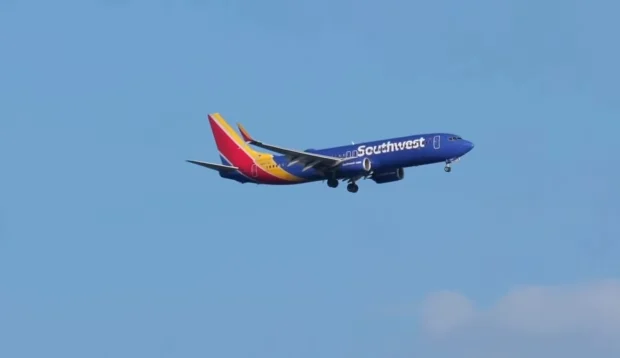
Southwest’s updated policy requires passengers who cannot fit comfortably within a single seat’s armrests to purchase an additional seat in advance. There is no specific weight or size cutoff; instead, eligibility is based on whether a passenger can sit entirely within their seat without encroaching on the neighboring space. This subjective measure has already drawn criticism over potential inconsistencies and awkward gate interactions.
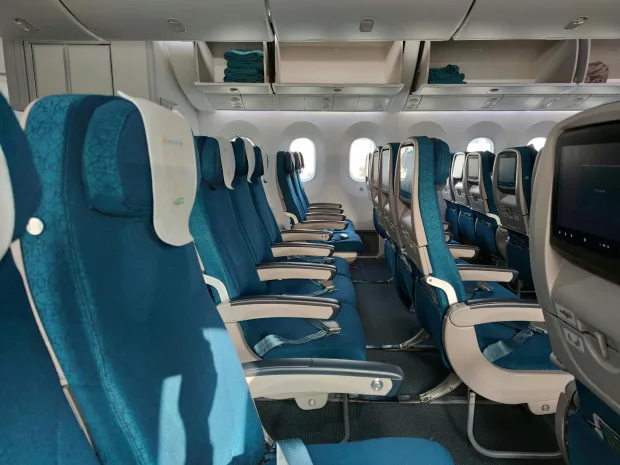
The timing of the rule coincides with Southwest’s shift to assigned seating, effective January 27. Customers who previously relied on extra-seat accommodations will be contacted to encourage advance purchases.
Passengers buying a second seat in advance may be refunded if the flight has empty seats, while complimentary extra seats at the airport remain available only if space allows. Travelers arriving without a second seat and later deemed to need one could face delays or be rebooked on later flights, creating potential disruptions.
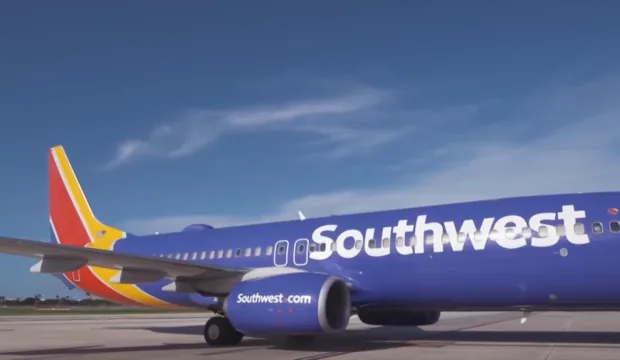
The policy has sparked debate among travelers and advocates. Jason Vaughn, founder of Fat Tested Travel, cautioned that the rule could lead to tension at check-in and onboard. Some passengers might skip buying the second seat, hoping for an empty adjacent spot, risking uncomfortable interactions for both passengers and crew if the flight fills up.
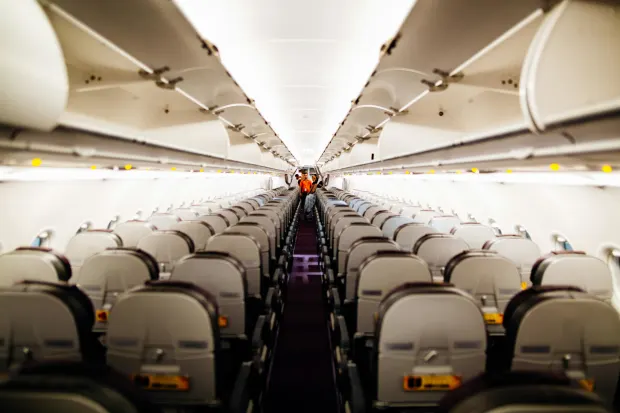
This controversy reflects a broader challenge in the airline industry. As carriers design denser seating layouts to boost revenue, passengers are increasingly forced to weigh cost savings against comfort. Southwest insists the policy is intended to prevent conflicts and ensure adequate space, but critics say it shifts responsibility onto travelers rather than addressing the shrinking dimensions of airline seats.
Conclusion
Southwest Airlines’ extra-seat policy highlights the growing tension between efficiency and passenger comfort in modern air travel. While the rule aims to minimize disputes and maintain personal space, it raises questions about fairness, enforcement, and the broader challenges of flying in increasingly cramped cabins. For many travelers, it serves as a reminder that cheaper fares often come with significant compromises in comfort and convenience.