
Southwest Airlines Sparks Debate With New Policy for Plus-Size Travelers
Southwest Airlines has drawn both attention and criticism with a new policy affecting plus-size passengers, leaving travelers debating whether the move is genuinely about comfort—or if it masks financial motives.
Navigating Comfort in Cramped Cabins
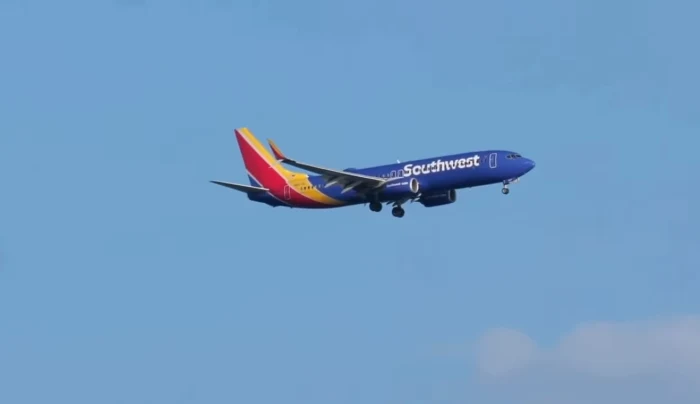
Air travel, especially on budget carriers, has long been synonymous with tight rows, narrow seats, and limited personal space.
Southwest’s latest policy asks passengers who cannot fit comfortably within a single seat’s armrests to reserve a second seat in advance. There are no specific weight or size measurements; flight staff make subjective judgments about whether a traveler requires extra room.
Critics worry this could lead to inconsistency or embarrassment at the gate, sparking skepticism about whether the policy is truly for passenger comfort or subtly designed to increase ticket revenue.
Timing and Implementation
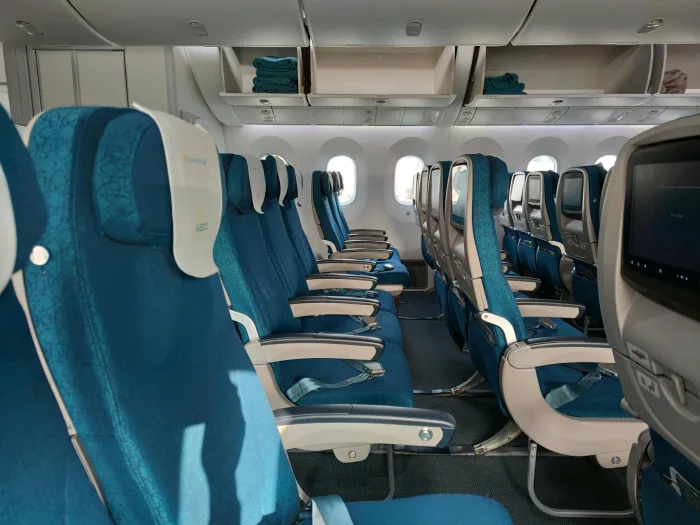
The policy will go into effect January 27, coinciding with Southwest’s shift from open seating to assigned seating. Travelers who previously used extra-seat accommodations will receive notifications encouraging them to book a second seat in advance.
Passengers purchasing a second seat may be refunded if the flight has empty seats, and complimentary extra seats will still be available at the airport—but only if space allows. Those arriving without an extra seat who later require one could face delays or rebooking to ensure two adjacent seats, creating potential disruption for both travelers and crews.
Traveler Concerns
Jason Vaughn, founder of Fat Tested Travel, warns that the new rule could cause confusion and tension onboard. Some passengers may gamble on empty adjacent seats, only to find themselves in uncomfortable situations if flights reach capacity.
The controversy also highlights broader industry issues. As airlines pursue denser seating and innovative cabin layouts to maximize profit, passengers increasingly question whether low fares come at too high a personal cost.
Balancing Efficiency and Care
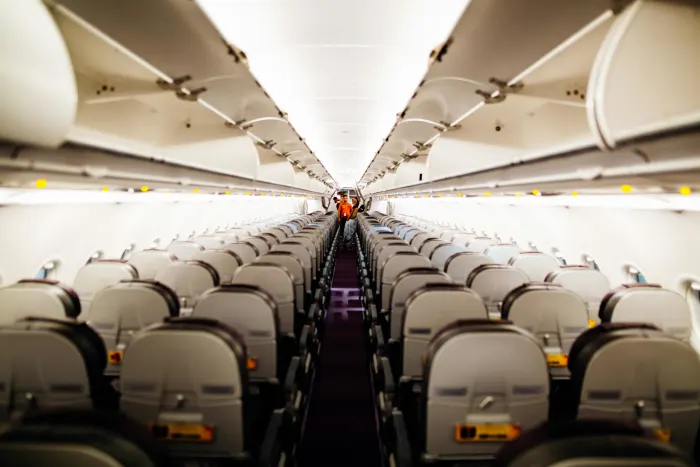
Southwest maintains the policy is designed to improve comfort and ensure smoother boarding, but critics argue it shifts responsibility onto travelers rather than addressing shrinking seat sizes. How the airline enforces the rule could influence perceptions of fairness and customer service across the industry.
Conclusion
Southwest Airlines’ new policy for plus-size passengers underscores the delicate balance between efficiency and comfort. While it aims to prevent overcrowding, the subjective extra-seat requirement may spark friction and raise questions about how airlines accommodate diverse body types.
The policy’s rollout will likely serve as a benchmark for how the industry approaches space, fairness, and customer experience in the years ahead.