
Everyone remembers the sparkle of her smile and the magic of her voice—but few knew the weight she carried long before the cameras rolled.
Judy Garland’s childhood was far from the innocent laughter and carefree days many imagine. Behind the charm and talent that would captivate millions, a young girl navigated a world of relentless expectation, rigid discipline, and emotional strain. Even as a child, the seeds of pressure and self-doubt were planted—seeds that would grow alongside fame, fortune, and heartbreak.
Born Frances Ethel Gumm in 1922, in Grand Rapids, Minnesota, Judy was the youngest of three daughters in a family of vaudeville performers. From the moment she could walk, the stage became both playground and battleground.
The bright lights, applause, and audience adoration masked a deeper reality: she was learning early that her worth was measured in talent, productivity, and perfection. Childhood play was often replaced with rehearsals; curiosity and spontaneity were secondary to flawless performance. Garland’s natural gift shone brightly, but the cost of cultivating that gift was immense.
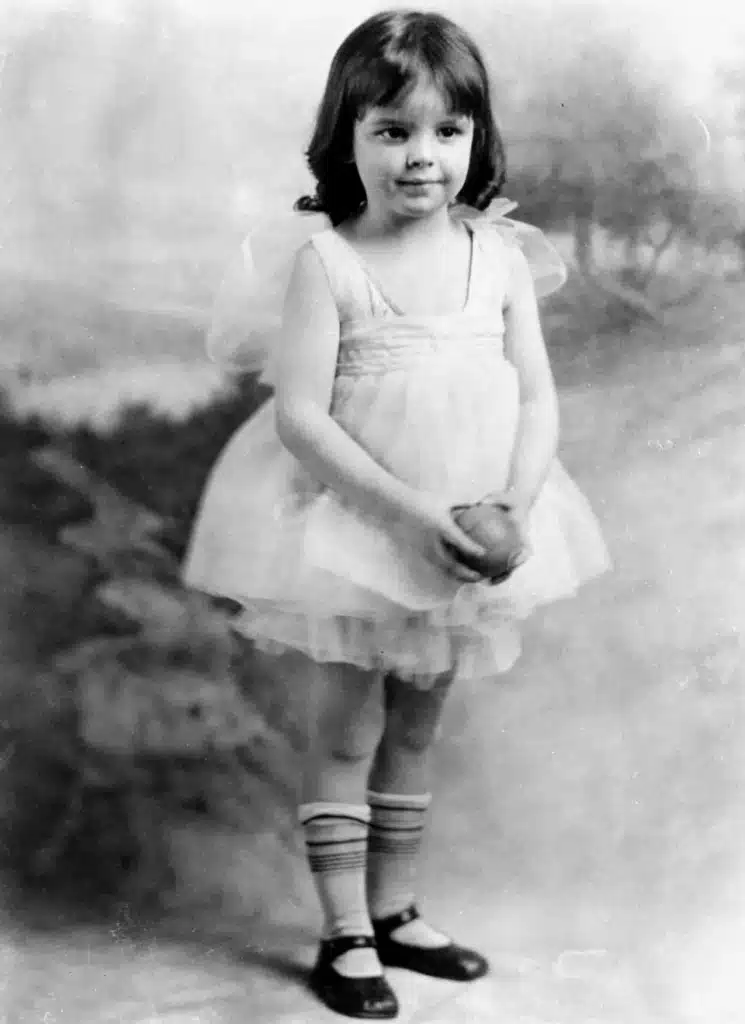
By the time MGM signed her in the 1930s, the pressures escalated exponentially. Studio executives meticulously controlled her schedule, appearance, and behavior. Sleep was rationed, diets were monitored, and even her weight was scrutinized—an ongoing source of anxiety that would plague her throughout life.
Behind the scenes, Garland faced exhaustion that no applause could relieve. She was a child and then a teenager navigating a machine that demanded she deliver perfection day after day. Her personal struggles—feelings of inadequacy, fear of failure, and longing for genuine connection—remained largely invisible to audiences, who saw only the glimmer of her stage presence.

Despite the oppressive structure, Garland’s artistry flourished. Her performances, from The Wizard of Oz to countless musical films, radiated warmth, vulnerability, and emotional truth. Yet behind the camera, she battled insecurities and pressures that extended beyond performance: she was asked to appear older, behave impeccably, and maintain an image that often conflicted with her natural self. The young girl who once delighted in song and movement now carried the heavy weight of responsibility that few adults could comprehend.
In interviews later in life, Garland reflected candidly on these experiences. She acknowledged that performing often became the only space where she felt fully appreciated, the only place she could lose herself in joy, even if temporarily. At the same time, she recognized how the relentless expectations of studios, managers, and society had shaped her sense of self—sometimes painfully, sometimes resiliently. Her life was a constant negotiation between the love for her craft and the cost of the demands placed upon her.
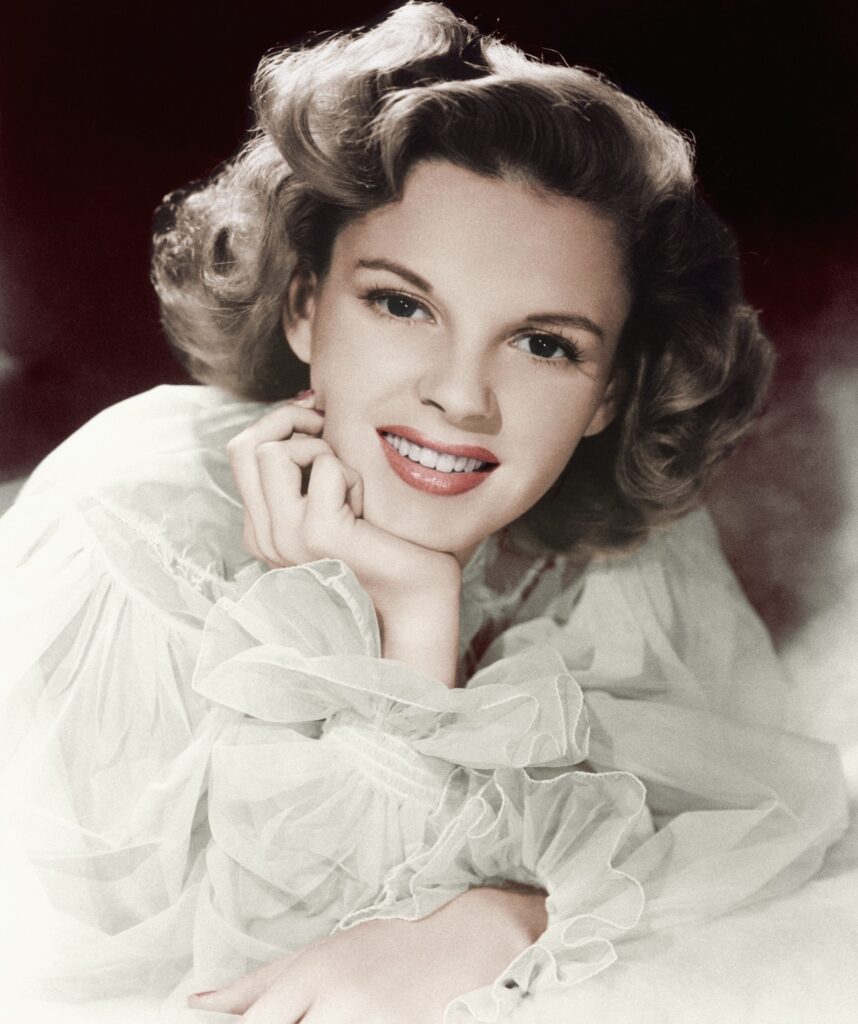
Today, Judy Garland is remembered as a cultural icon whose voice and presence continue to inspire generations. Yet her story reminds us to look beyond the performance, to honor the human experience behind the legend. Garland’s life teaches that extraordinary talent often comes with extraordinary pressure, and that resilience—while admirable—is often forged in the crucible of struggle. Her enduring legacy is not just the music she left behind, but the empathy her story invites in all who hear it.
Conclusion
Judy Garland’s life exemplifies the complex intersection of talent, expectation, and humanity. Behind the dazzling performances and iconic roles, there was a child learning the weight of the world far too soon. Her story teaches us that brilliance can emerge even in the shadow of hardship, and that understanding the person behind the legend deepens both admiration and compassion. In celebrating her artistry, we also honor her courage and resilience—the true magic of Judy Garland.