
At first glance, the photograph appears simple—Princess Diana and Michael Jackson standing side by side, poised beneath the glare of cameras.
Two of the most recognizable figures of the 20th century captured in a single frame. To many, it was just another high-profile meeting. But over time, the image has come to symbolize something more personal: a fleeting encounter that hinted at a deeper understanding between two people living extraordinary—and often isolating—lives.
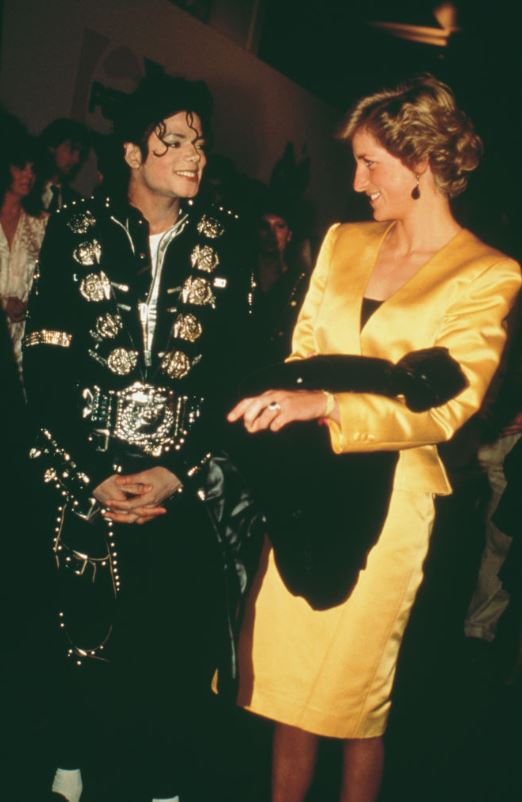
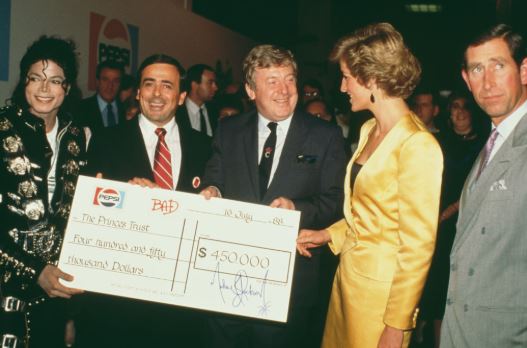
The moment took place on July 16, 1988, when Diana and Prince Charles attended Jackson’s Bad tour concert at London’s Wembley Stadium. Diana, widely adored as the “People’s Princess,” had a genuine love for music and reportedly counted Thriller and Bad among her favorite albums. Jackson, aware of her presence in the audience, made a last-minute decision to remove the song “Dirty Diana” from the setlist, concerned the title might seem disrespectful.
According to Jackson’s later recollections, Diana encouraged him not to cut the song, reassuring him she enjoyed it. The exchange, small as it may seem, reflected an ease and humor that set the tone for their brief interaction. Jackson went on to perform the song and later described Diana as gracious and kind. As a thoughtful gesture, he gifted miniature tour jackets to Princes William and Harry—an act that underscored the warmth of the evening.
Though they met in person only once, Jackson later claimed they stayed in contact through phone conversations. He spoke of late-night calls in which they discussed their children, the pressures of constant media attention, and the emotional weight of living in the public eye. While the extent of their communication has been debated, it’s undeniable that both understood a level of scrutiny few others could comprehend. Fame had elevated them to global icon status—but it had also limited their privacy and freedom in profound ways.
Beyond celebrity, they shared a commitment to humanitarian work. Diana’s advocacy for AIDS patients, landmine victims, and children’s charities reshaped the role of modern royalty. Jackson, meanwhile, supported numerous charitable causes and often used his platform to spotlight social issues. Their compassion for vulnerable communities became a defining feature of their public legacies, offering a rare glimpse of sincerity amid the spectacle of stardom.
When Diana tragically died in 1997, Jackson publicly expressed deep sorrow. He postponed a concert upon hearing the news and later paid tribute to her during a memorial service, describing her as one of the kindest and most caring individuals he had known. Though their time together had been limited, her passing clearly affected him.
Conclusion
The photograph of Princess Diana and Michael Jackson endures not simply because it unites two legends in one frame, but because it captures a rare intersection of empathy and understanding. Behind the flashbulbs were two individuals navigating the same paradox—adored by millions, yet often profoundly alone. Their brief connection serves as a reminder that even amid global fame, genuine moments of human understanding can quietly take root and leave a lasting impression.