
The Silent Intruders: How to Spot and Combat Bed Bugs in Your Home
It started innocuously—a tiny red welt on my arm, easily dismissed as a mosquito bite. But soon, dark spots appeared on my sheets, accompanied by a faint, musty odor. As I lifted the mattress, a chilling realization set in: something unwelcome had moved in, unseen. Bed bugs, it seemed, had claimed a part of my home.
Understanding the Threat
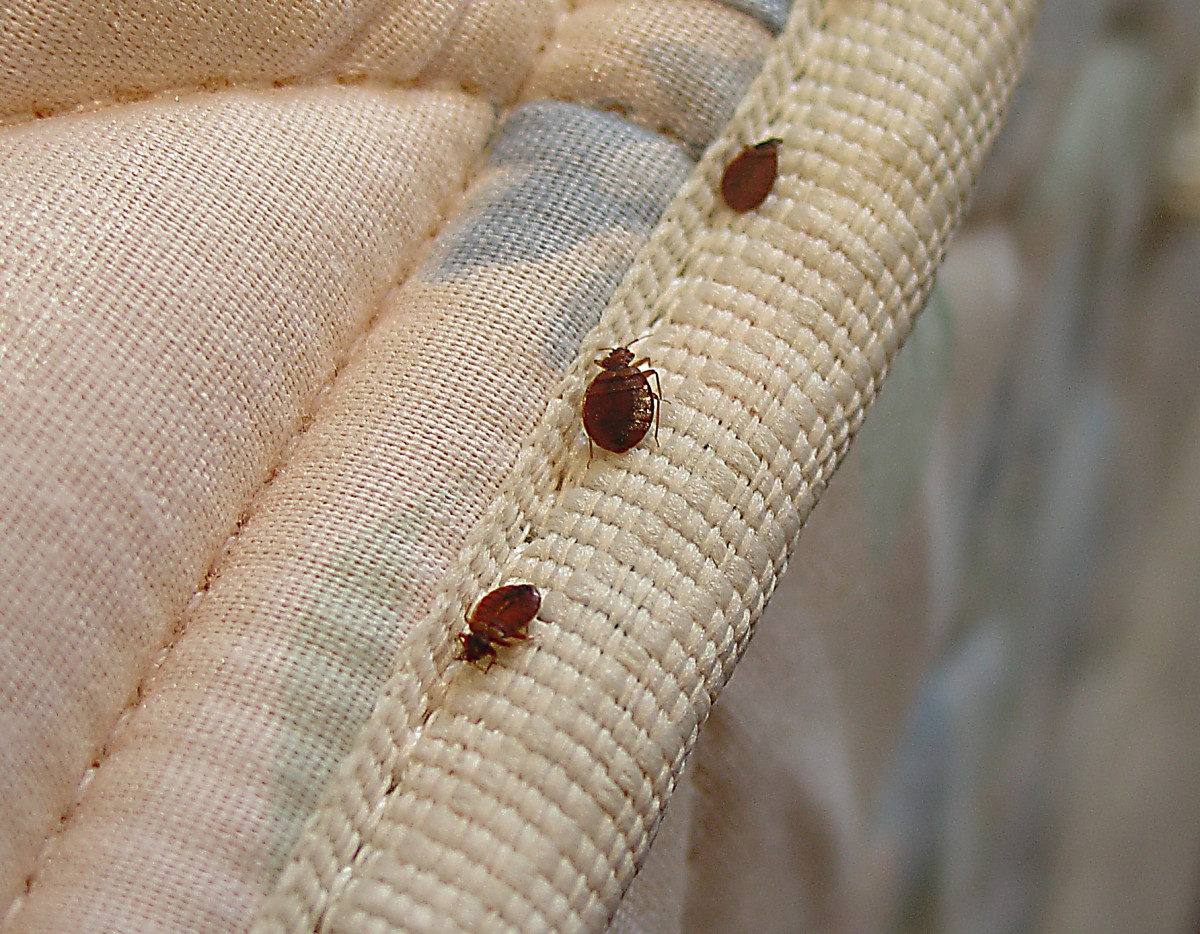
Bed bugs, scientifically known as Cimex lectularius, are small, reddish-brown insects roughly the size of an apple seed. Their flattened bodies allow them to hide in the narrowest of cracks, from mattress seams to furniture joints.
While they are nocturnal, feeding primarily on human blood while we sleep, their presence isn’t limited to beds. Carpets, couches, and even electrical outlets can become hiding spots.

How Bed Bugs Spread
These pests are expert hitchhikers. They can’t fly or jump, but they move quickly across walls, floors, and ceilings. Common methods of transmission include:
Travel: Luggage, backpacks, and clothing can carry bed bugs from hotels or other homes.
Secondhand furniture: Used couches, mattresses, or chairs may already harbor infestations.
Multi-unit buildings: Bed bugs can migrate between apartments through pipes, walls, or electrical conduits.
Signs You Might Have an Infestation
While bites are the most recognizable symptom, other indicators often precede visible welts:
Red, itchy welts: Often clustered or in lines on exposed skin such as arms, neck, and legs.
Blood stains: Small rusty or dark spots on sheets or pillowcases.
Fecal spots: Tiny black specks on furniture, bedding, or baseboards.

Musty odor: A distinct, sweet-ish smell from the bugs’ scent glands, noticeable during heavy infestations.
Inspecting Your Home
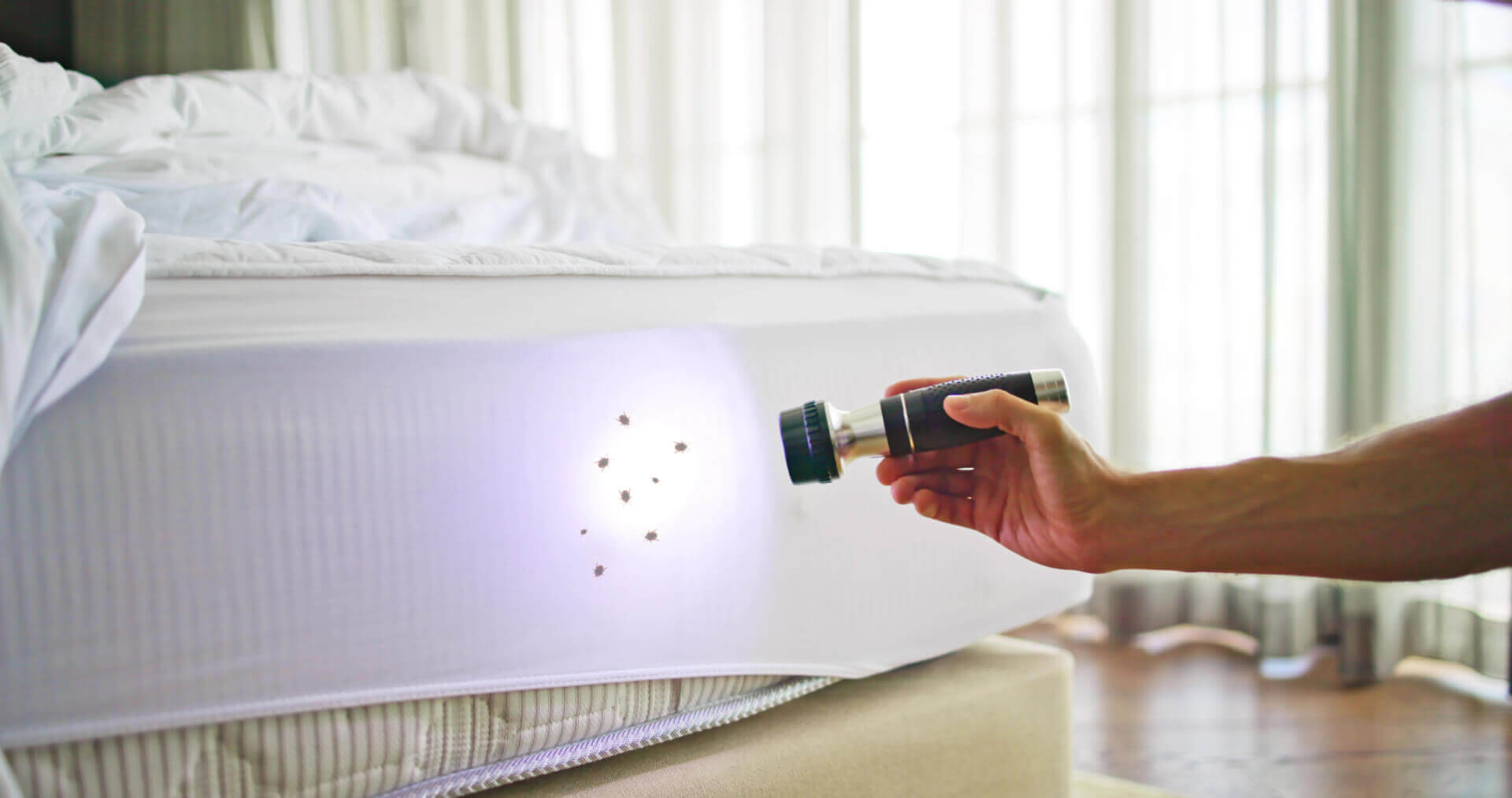
To detect bed bugs, focus on common hiding spots:
Beds and furniture: Examine seams, crevices, and corners of mattresses, box springs, and upholstered furniture.
Walls and baseboards: Look for cracks, peeling wallpaper, and behind electrical outlets.
Luggage and clothing: After traveling, inspect bags and garments before bringing them inside.
If infestation signs are unclear or widespread, it’s wise to consult a professional pest control service.
Eliminating Bed Bugs
Professional Solutions:
Insecticides: Carefully applied chemicals target adult bugs and eggs.
Heat treatments: Raising room temperature to around 120°F (49°C) can exterminate bed bugs.
Vacuuming and sanitation: Professionals remove bugs and eggs from surfaces and crevices.

DIY Approaches:
High-heat washing and drying: Treat clothing, bedding, and linens in hot water and dryers.
Mattress encasements: Special covers trap bed bugs and prevent feeding.
Steam cleaning and vacuuming: Can reduce populations when combined with other methods.
Prevention Strategies:
Inspect secondhand furniture before bringing it home.
Keep luggage off beds and floors during travel.

Seal cracks in walls, floors, and furniture to limit hiding spots.
Conclusion
Though small, bed bugs can create enormous disruption in daily life. Early detection, careful inspection, and prompt action are crucial to preventing an infestation from spiraling out of control.
Whether relying on professional pest control or vigilant DIY methods, understanding these persistent intruders is the first step toward reclaiming a safe, comfortable, and bug-free home. Knowledge and timely intervention are your best defenses against these silent invaders.