
You don’t hear the danger approaching—you feel it.
A sudden flare of light floods your windshield, your eyes clamp down too late, and the road vanishes for a few heart-stopping seconds. You’re still moving at speed, still responsible for every vehicle and curve ahead, yet your vision has betrayed you. Many drivers dismiss this as a momentary nuisance. In reality, it may be one of the most underestimated hazards of modern driving.
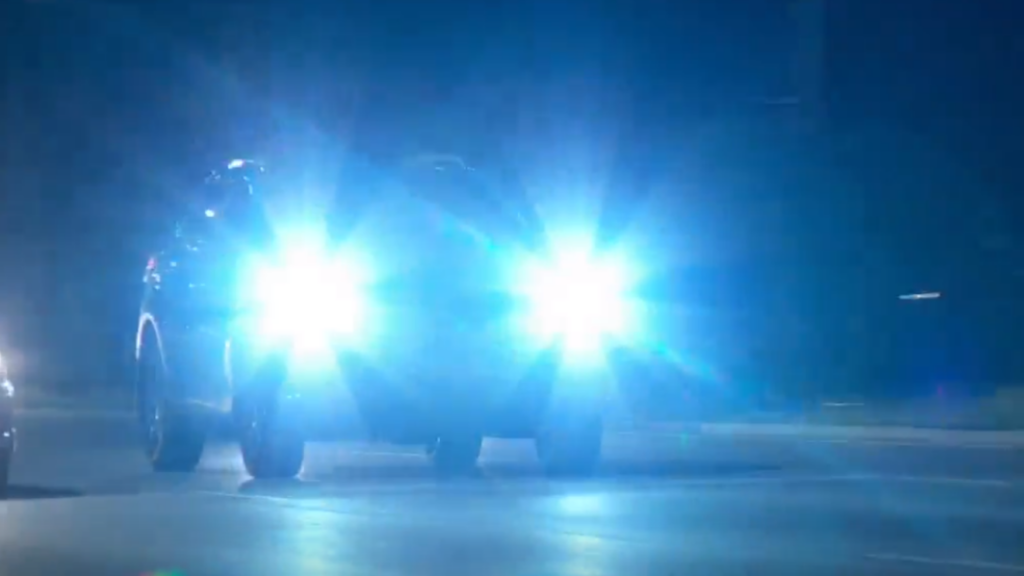
The effect often arrives before the vehicle itself comes into view. A piercing white beam overwhelms the eyes, washing out lane markers, road edges, and surrounding traffic. Pulse quickens, reflexes falter, and drivers continue forward with compromised perception. What was once occasional has become commonplace—one of the most frequent complaints associated with nighttime driving worldwide.
Modern headlights, particularly LEDs and high-intensity discharge (HID) systems, aren’t just brighter than their predecessors.
In the wrong conditions, they are blinding. Drivers regularly report brief vision loss that leads to abrupt braking, lane drift, or instinctive glances away from the road—responses that significantly elevate collision risk.
LED lighting entered the automotive world in the name of efficiency and progress. These systems offer crisp, daylight-like illumination, consume less power, and last far longer than traditional halogen bulbs. Initially celebrated for improved visibility, they are now under scrutiny for a problem few anticipated: glare severe enough to compromise safety.
Unlike halogens, which emit warmer, more diffused light, LEDs generate intense, tightly focused beams.
This clarity benefits the driver behind the wheel but can overwhelm oncoming traffic—especially when headlights are mounted higher on SUVs and trucks or when alignment is even slightly off. A minor miscalculation in angle can turn helpful illumination into a blinding hazard within seconds.
Vehicle design trends have intensified the issue. Taller vehicles place headlights closer to eye level for drivers in sedans and compact cars. On uneven roads, hills, or curves, beams can suddenly sweep upward, directly into windshields. Even brief exposure disrupts depth perception and distance judgment—effects that linger after the light has passed.
Traffic safety experts acknowledge glare as a contributor to nighttime crashes, though its true impact is difficult to measure. “Temporary blindness” rarely appears in accident reports, meaning its role is often hidden within broader categories like driver error or poor visibility.
Compounding the problem, many headlight regulations were written decades ago, long before LEDs became standard. Existing rules focus on brightness limits and mounting height but fail to reflect modern vehicle diversity or real-world driving environments. As technology advanced, oversight lagged behind.
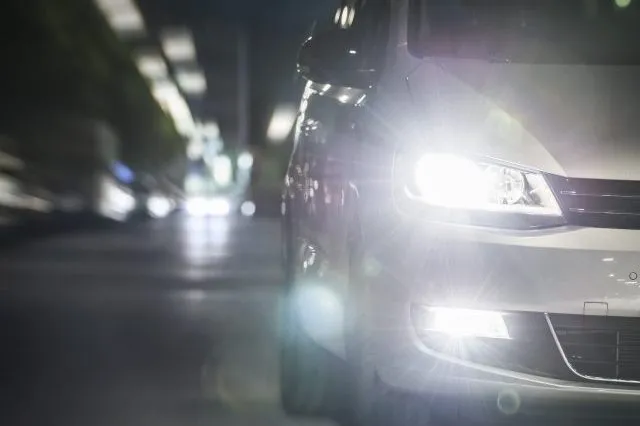
Some newer vehicles employ adaptive lighting systems that adjust beam direction and intensity in real time, reducing glare while maintaining visibility. But these technologies remain far from universal, leaving millions of drivers exposed to static, high-intensity beams with no mitigation.
The danger is not abstract. At 65 miles per hour, a car travels nearly 100 feet every second. A glare-induced vision loss lasting just three to five seconds means traveling the length of a football field—or more—without full visual control.
Vision researchers confirm that intense light temporarily reduces contrast sensitivity and color perception. Recovery time varies, but for older drivers or those with cataracts or other eye conditions, the effects can be significantly prolonged.
Experts emphasize that LED headlights themselves aren’t the enemy. The risk lies in how they’re implemented—excessive brightness, improper alignment, vehicle height disparities, and outdated standards converging into a perfect storm.
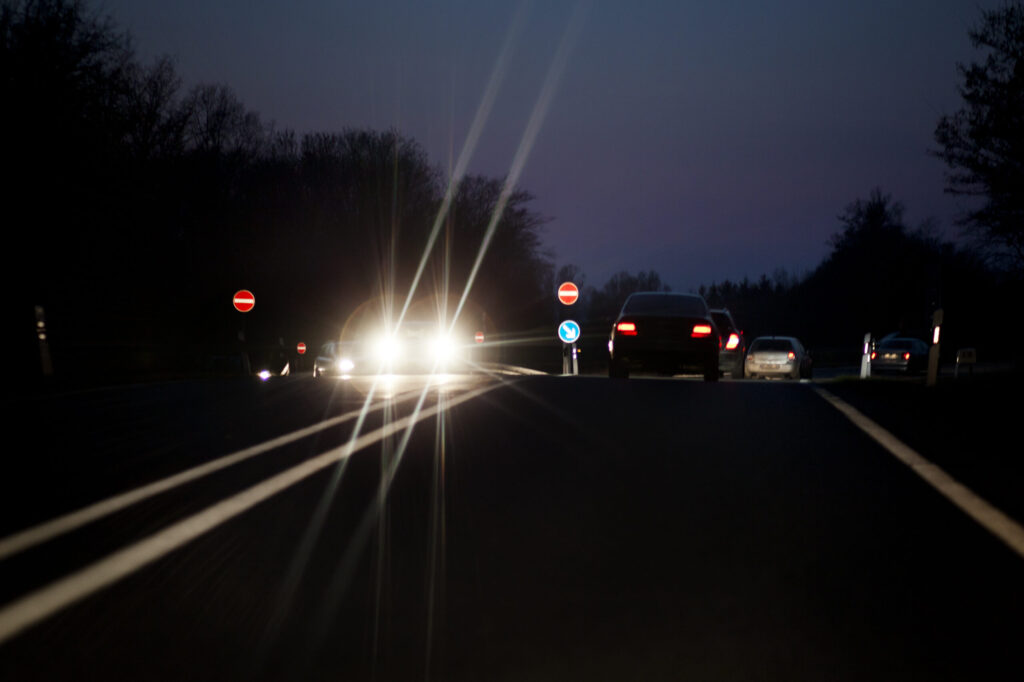
Clear solutions already exist: stricter glare regulations, mandatory alignment checks during inspections, and wider adoption of adaptive lighting systems. But meaningful change requires coordination between manufacturers, regulators, and policymakers.
Glare also alters driver behavior. Sudden vision loss triggers instinctive reactions—braking hard, drifting, or looking away—that disrupt traffic flow and increase crash risk. Over time, repeated exposure can lead to heightened stress and anxiety about night driving.
Environmental factors amplify the problem. Wet pavement, reflective signage, and glass surfaces scatter light in urban settings, while rural roads combine high speeds with minimal ambient lighting. Emergency responders frequently cite glare as a factor in near-misses and delayed reactions.
Regulatory bodies such as the U.S. National Highway Traffic Safety Administration and European safety agencies are revisiting headlight standards, but regulatory reform typically moves slower than technological adoption.
Automakers hold significant influence. Advanced systems like matrix LEDs and automatic high-beam assist can selectively dim portions of the beam, preserving visibility without blinding others. Yet these features are often limited to premium models.
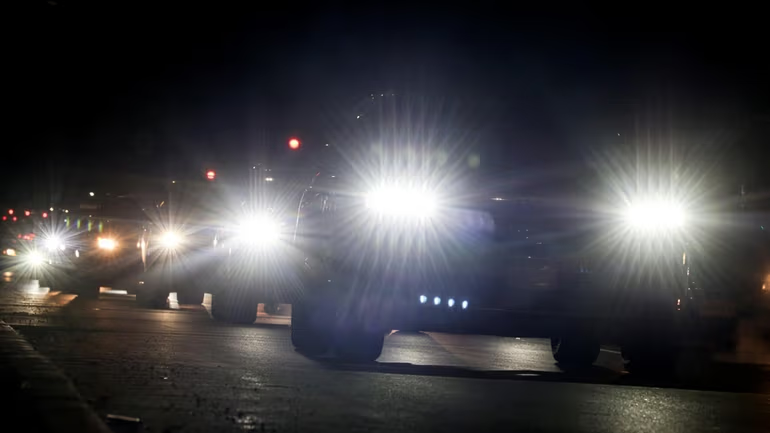
Driver awareness remains another gap. Many motorists are unaware that misaligned headlights—or aftermarket LED kits—can exceed legal limits and dangerously scatter light.
Health professionals warn of “flash blindness,” a phenomenon where intense light temporarily incapacitates vision. Drivers of all ages are susceptible, but the elderly and those with eye conditions face heightened risk.
Road design intersects with the issue as well. Reflective materials, sign placement, and ambient lighting all affect glare severity, underscoring the need for integrated safety planning.
The economic costs are substantial. Nighttime crashes carry higher medical expenses, insurance claims, and property damage. Fear of night driving can also alter travel behavior, with ripple effects across local economies.
Technological progress continues. Matrix lighting, glare-sensitive sensors, and intelligent beam control are proving effective. Safety advocates argue these should be standard equipment, not luxury upgrades.
Globally, harmonizing headlight regulations could improve safety across borders. Testing standards that better reflect real-world conditions—curves, elevation changes, mixed traffic—are increasingly urged.
In the meantime, individual drivers can reduce risk by ensuring proper headlight alignment, avoiding illegal modifications, keeping lenses clean, and exercising caution during nighttime travel. Awareness remains one of the strongest immediate defenses.
Conclusion
The glare produced by modern headlights sits at the uneasy intersection of innovation and unintended consequence. While LED and HID technologies offer clear advantages, their current implementation presents real, measurable risks to other road users.
This is not about personal preference or discomfort—it’s about momentary blindness at high speeds and the dangers that follow.
Solutions exist, from smarter lighting systems and updated regulations to better education and infrastructure design.
As vehicles continue to evolve, the challenge will be ensuring that technological progress enhances safety rather than undermines it. Brightness alone does not guarantee visibility—and on today’s roads, balance may be the most important feature of all.