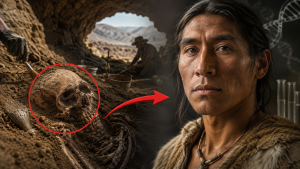
Ancient Skeletons In Brazil Carried A Genetic Signal Scientists Did Not Expect — And It Complicated The Story Of The First Americans
The Kennewick Man case in the United States — which involved years of legal dispute between Native American nations who claimed the ancient individual as an ancestor deserving repatriation and scientists who wanted to study the remains — was the most public example of this tension, but it was far from the only one.
In Brazil, the situation is complicated by the specific legal and political frameworks governing Indigenous rights and by the history of relationships between Brazilian scientific institutions and Indigenous communities.
The Lagoa Santa skeletal material was collected largely in the nineteenth and early twentieth centuries, before any of the current ethical frameworks existed, and much of it has been housed in Brazilian museum collections for decades.
The question of how contemporary Indigenous communities relate to this ancient material — whether they regard the Lagoa Santa people as their ancestors, whether they have standing to make claims about how the material is treated — is not straightforward and has been handled differently by different researchers.