BUFFALO CALF ROAD WOMAN
The wooden cradles in which infants slept.
The winter clothing.
The horse gear.
And then the soldiers took the horses — the entire herd, several hundred animals — and shot them.
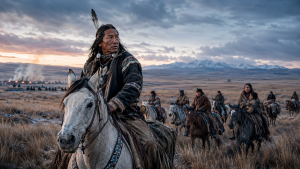
Without horses, without food, without shelter, in temperatures that fell well below zero in the Bighorn Mountains in November, the survivors of the attack spent several days trying to reach safety — walking through snow, many of them in the clothing they had been wearing when they fled their beds at dawn, without blankets or adequate footwear or food.
Children froze.
Elderly people died.
The survivors who eventually reached a Lakota camp survived on the charity of their allies, who shared what food they had with the destitute Northern Cheyenne.
This was not an accident of war.
It was a deliberate strategy — scorched earth applied to a community in a season when the destruction of shelter and food stores was as lethal as direct military action.