Every time my brother-in-law drove me home, I would lose consciousness and wake up with unexplained aches and pains. My husband would only laugh and say, “You’re just out of shape, that’s all.” After the fourth ride, I secretly slipped a voice recorder into my purse and said nothing. That night, I listened to a phone conversation between the two of them that revealed my blackouts had never been accidental.
She hugged me.
My mother joined us, and for several minutes we stood together without speaking.
The verdict was not a cure.
But it was a public rejection of the version of events Julian had spent so long constructing.
PART 21
At sentencing, I chose to make a statement.
I worked on it for weeks because I wanted to explain what the offenses had changed without turning my life into a catalog of pain.
I wrote about the ordinary freedoms I had once taken for granted: accepting water from a family member, riding home from work, sleeping beside a spouse without wondering what he knew that I did not.
You Might Also Like

They Gave Everyone Suites Except Me on the Trip I Paid For — Then the Resort Manager Stepped In
Daily Gossips
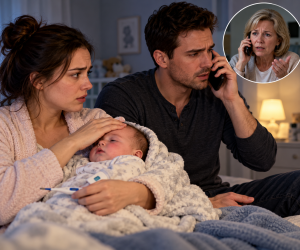
When Our Baby Spiked A High Fever, My Husband Called His Overprotective Mother Before Anyone Else
Daily Gossips

My Fiancé Said My Five-Year-Old Brothers Could Stay—Then a January 29 Email Revealed What He Had Asked the Wedding Venue
Daily Gossips

Only for Three
Daily Gossips