How Susan La Flesche Picotte Became America’s First Native Woman Doctor – Then Built The Hospital Her People Had Been Denied
She had adopted many reform ideas associated with education, Christianity, private property, and western medicine.
But she was not willing to let those ideas become excuses for exploitation.
She could support adaptation and still oppose federal policy.
She could believe education was useful and still believe the government was breaking promises.
She could practice western medicine and remain fiercely committed to Omaha welfare.
Historical people rarely fit the categories later writers build for them.
Susan’s life is valuable precisely because it refuses a clean division between “traditional” and “assimilated.”
She moved between worlds because her community had been forced to navigate both.
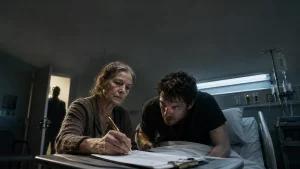
A Winter House Call Showed The Limits Of One Doctor
One of the most powerful episodes from Susan’s medical career took place during a brutal Nebraska winter.