How Susan La Flesche Picotte Became America’s First Native Woman Doctor – Then Built The Hospital Her People Had Been Denied
If someone was sick, that was the qualification.
This principle sounds ordinary now because modern medical ethics emphasize treatment without racial discrimination.
In Susan’s world, it was not ordinary.
She had lived in a country where Native people were still subject to separate legal rules, restricted political rights, and policies explicitly designed to transform their identity.
She practiced before the Indian Citizenship Act of 1924.
She built her hospital before the Nineteenth Amendment gave women the constitutional right to vote nationwide.
Yet inside the building she created, the hierarchy of who deserved treatment could be simpler than the hierarchy outside it.
A patient entered because the patient needed care.
That may be Susan’s most elegant answer to the childhood memory.
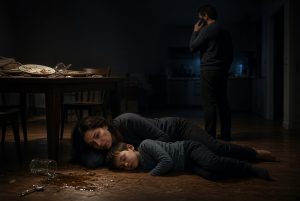
The white doctor’s absence had communicated that an Omaha life was not worth the journey.