I Came Here by My Own Choice
He was the son, the firstborn, the one whose every ordinary achievement was treated as a marvel; I was the reliable one, the capable one, the one who did not need praise because I did not need anything — which is a convenient thing to believe about a child, because a child who needs nothing can be given nothing and put to work.
So I was put to work.
I learned young that love in my family was not something you received for existing; it was something you earned by being useful, and the more useful you were, the less you were thanked, because your usefulness stopped being a gift and became simply your function.
Tate earned love by being celebrated.
I earned it by paying.
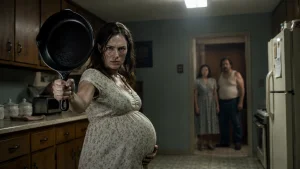
And the cruelest part of that arrangement, the part I only understood in the kitchen with the shattered mug at my feet, was that I had come to believe it was love — that writing the checks was my place in the family, my belonging, my proof that I mattered.