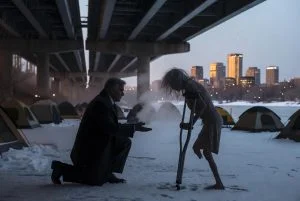
I Survived Long Enough to Speak
There is a particular cruelty to burns that people who have not had them do not know: that the healing itself hurts, that scar tissue tightens as it forms and pulls against the body’s movement, that getting better can feel, day to day, like being hurt again in slow motion.
There were mornings I did not want to do the stretches that kept the new skin from locking my arm in place.
There were nights the tightness woke me.
But the harder recovery, the one that mattered more, was the one my therapists were quietly guiding underneath the physical one — the recovery of a woman’s relationship to her own visible self.
Because a burn survivor faces a choice the rest of the world rarely has to make so starkly: you can spend the rest of your life arranging yourself so that other people never have to see what happened to you, curating your angles, choosing your scarves, turning your damaged side to the wall — or you can decide that your scars are simply part of the geography of you now, no more shameful than a birthmark, and let people see your whole face.
The first path is a second imprisonment, a life sentence of self-management served on behalf of other people’s comfort.