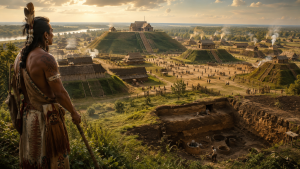
Inside The Mysteries Of Göbekli Tepe, The Oldest Temple In The World
The thousands of flint tools found at Göbekli Tepe — projectile points, scrapers, burins, and the debitage from their manufacture — represent everyday tool use and maintenance.
The quantities of animal bone represent the ordinary reality of food preparation and consumption.
The remains of wild cereals and other plant foods represent the daily diet.
These ordinary remains are archaeologically less glamorous than the carved stone pillars, but they are in many ways more informative about the actual experience of life at the site.
They document the practical dimensions of what it meant to be at Göbekli Tepe: what people ate, what tools they used, what everyday activities occupied the time between the moments of high ceremonial or construction activity.
The combination of the monumental and the mundane is characteristic of many significant communal and ritual spaces across cultures and periods.