My Light Always Returns
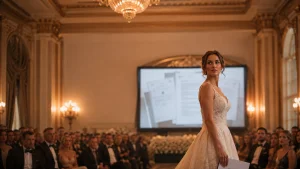
She would come to know her aunt well in the years ahead, but Aracely never forgot the sight of Millicent in that first moment — an elegant, composed woman in her seventies undone completely, both hands pressed to her mouth, weeping in a crowded ballroom without any care for who saw.
Millicent had been the one, she learned later, who arranged the funeral all those years ago, because Lysander had been unable to.
Millicent had chosen the small white coffin and stood beside her brother while they lowered it into the ground with nothing inside it, an act so unbearable that the family had never once spoken of it afterward.
For thirty years there had been a grave in a Fairholme plot with a child’s name on the stone and no child beneath it, and every member of that family had walked past it and grieved a girl who was, the entire time, alive — filing paperwork in Oak Cliff, learning to sew a hem, being told to stand near the restrooms.
The empty coffin had been the family’s great wound, the thing they organized their silence around.
And now the wound was speaking to them, in a navy-blue dress, and Millicent could not stop weeping, because you do not learn in a single instant how to stop mourning someone and start loving them instead.