Never Confuse Loud People With Strong Ones
The noise swelled into a roar — clapping, cheering, rising to the chandeliers, shaking the ceiling of white roses. A sustained standing ovation, filling the exact room my father had designed to display his influence.
And none of it belonged to him anymore.
I stayed seated a moment longer than protocol dictated. Not from hesitation, but from the strange, unfamiliar weight of being seen and respected in a space built to erase me.
Then I stood. I looked across the sea of clapping hands and gave Liora a slow, deep nod. I didn’t return the salute — we were in a civilian space, and old discipline dictated different rules.
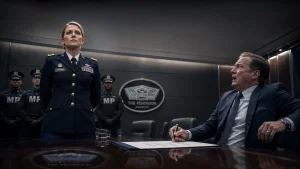
Her eyes were wet, but she held her ground. She looked exactly as I remembered her from nearly two years ago: standing in a bleak, windowless Pentagon corridor, clutching a manila file that threatened to end her career, refusing to disappear quietly.
I hadn’t intervened out of pure kindness. I had recognized her — the hollow look of someone being punished for refusing to fit a mold someone else had designed.