One Unguarded Afternoon
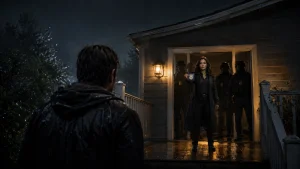
“You’ll come back,” she said.
“You always forgive people.” His voice broke on the first word, but it did not bend.
“Forgiveness,” he said, “doesn’t require access.”
I have kept those four words the way some people keep a line of scripture.
My son, who had spent his whole life unable to close a door on anyone, who had been hunted precisely because his instinct was always to let people back in — my son had just drawn, in the worst hour of his life, the one line that had been missing from him all along.
Not I will never forgive you; he was too good a man for that, and he would, in time, forgive her, because carrying the other thing would have poisoned him and he knew it.
What he refused her was not his forgiveness.
It was his access — the standing invitation his kindness had always issued to everyone, the open door through which she had walked in and nearly emptied his life.
He had finally understood the thing I had been trying for weeks to give him: that you can wish a person no harm and still never let them near you again, that a soft heart and a locked door are not contradictions but partners, and that the failure to grasp this is precisely the seam these people slip through.
He forgave her, eventually, in the private way that sets a person down at last.