She Has Been Dead For 45,000 Years. In 2026, Three Different Scientists Gave Her Three Different Faces — And Each One Revealed Something The Others Missed
It speaks to what science can and cannot know — to the genuine power of modern genomics and computational analysis, and to the limits that no amount of technical sophistication can dissolve.
Forty-five thousand years is a long time, and some of what was there then is simply not recoverable.
Knowing this precisely, knowing where the knowledge ends, is itself a form of wisdom.
It speaks to how we communicate science — to the tension between accuracy and accessibility, between honest uncertainty and compelling narrative.
The 2026 study argues, implicitly but forcefully, that the tension can be resolved in favor of honesty without losing the narrative.
Three faces are more compelling, not less, than one.
You Might Also Like

My Daughter’s Final Letter Revealed the Secret My Husband Kept After Her Honor Walk
Daily Gossips
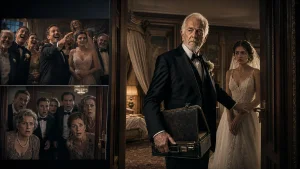
Everyone laughed when they sent an eighty-year-old man and his eighteen-year-old wife off to spend their wedding night together. “Let’s see if Grandpa can make it until morning,” one relative joked through a burst of laughter. He didn’t respond. He simply picked up his old briefcase and closed the door. When six relatives opened it the next morning, they stopped laughing when they discovered what he had been protecting all night.
Daily Gossips

For Nine Years He Mistook My Silence for Surrender; What He Never Understood Was That Every Dinner I Didn’t Fight About Was a Day I Stayed Close Enough to Gather What I Needed to End Him
Daily Gossips

My Son Wore a Bright Red Dress Across the Graduation Stage While Hundreds Laughed — Then He Showed Me the Locket
Daily Gossips