The 10,000-Year-Old Man Found In A British Cave — And The DNA Test That Changed What Scientists Thought Early Europeans Looked Like
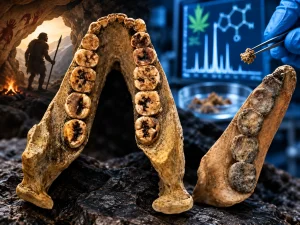
He had wear on his teeth consistent with a diet that required substantial chewing — raw or lightly processed meat and plant foods leave more wear than soft cooked foods.
He may also have used his teeth as a tool, in the way that is common in many hunter-gatherer cultures: holding materials while working them with the hands, softening hides by chewing, and performing various other tasks that leave characteristic marks on the teeth.
The absence of significant dental disease is itself a historical statement.
The widespread dental caries and periodontal disease that became common with the adoption of agriculture — and that remain common in industrialized populations today — were largely absent from Mesolithic populations.
From the perspective of dental health, the hunter-gatherer diet was superior to the agricultural diet, even though agricultural production could support far larger populations.