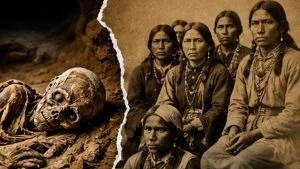
The 10,300-Year-Old Man Found Inside An Alaskan Island Cave — And The DNA Test That Revealed 10,000 Years Of Native Coastal Continuity
Shore pine and alder provide different resources — and different habitat for prey species — than old-growth Sitka spruce and hemlock.
The understory structure and the specific mix of plant foods available for gathering would have differed from what later coastal peoples encountered.
The specific species of deer and other ungulates that inhabited the island may also have differed, as some species colonized the islands later in the Holocene as forest matured.
The marine environment, by contrast, may have been in some respects more similar to the present than the terrestrial environment, because the marine ecosystem recovers from glaciation more quickly than the terrestrial one.
The salmon runs — which require specific stream and river conditions — may have been established in their post-glacial form within centuries to millennia of deglaciation, providing the productive and reliable food source that would have been central to the coastal economy from the early Holocene.