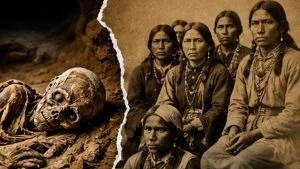
The 10,600-Year-Old Man Found In Nevada — And The DNA Discovery That Changed The Story Of The First Americans
Thousands of ancient and historical remains had been excavated, acquired, and archived in institutional collections, often with minimal attention to the wishes or rights of the communities from which they came.
The scale of this accumulation was staggering: by the time NAGPRA was passed, hundreds of thousands of Native American human remains were held in institutional collections across the country.
NAGPRA required federal agencies and federally funded institutions to inventory their holdings of Native American human remains and cultural objects, to consult with affiliated tribes, and to return — repatriate — those remains and objects to culturally affiliated communities upon request.
The law established a framework for determining cultural affiliation: the legal relationship between a modern tribe and ancient remains that would give the tribe the right to claim those remains.