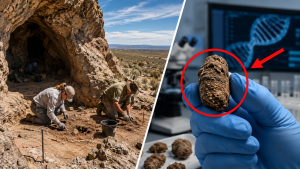
The 10,600-Year-Old Man Found In Nevada — And The DNA Discovery That Changed The Story Of The First Americans
It was not perfect — no human collaboration is — and both the Tribe and Willerslev have described the process as one that required navigating genuine tensions and misunderstandings.
But it established a model that other researchers have looked to in designing their own engagement with Indigenous communities around ancient DNA research.
The key elements of the model were straightforward: the community had the right to say no; the community’s members were present when critical samples were taken; the community was kept informed throughout the process; the terms of the agreement included a specific commitment about what would happen to the remains after the analysis; and the community’s oral tradition and understanding of their own history were treated as evidence deserving of respect, not as folklore to be tested against the real evidence of laboratory science.
This model did not resolve all the tensions between ancient DNA research and Indigenous rights.