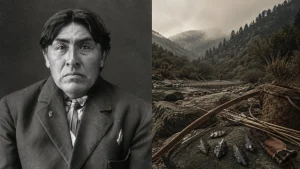
The 10,600-Year-Old Man From Spirit Cave – And The DNA Test That Helped Bring Him Home
The DNA answered that he belonged within Indigenous American ancestry.
But the deeper question was: why had that answer been treated as necessary before the people living in his homeland could reclaim him?
That is what gives the story relevance beyond archaeology enthusiasts.
It touches debates about museums, colonial collecting, Indigenous rights, government authority, and the ethics of scientific research.
It also challenges the way popular culture talks about ancient Native history.
Native people do not suddenly appear when European explorers arrive.
Their history stretches thousands of years deeper.
Spirit Cave makes that depth visible in a way few stories can.
A person buried before the pyramids, before Stonehenge, before agriculture transformed much of Europe, still belonged within the ancestral history of peoples living in the Americas today.
The timeline alone is difficult to grasp.