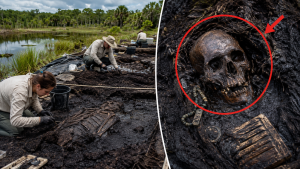
The 10,600-Year-Old Man From Spirit Cave – And The DNA Test That Helped Bring Him Home
Because the burial was so ancient, officials emphasized gaps between the archaeological past and the modern tribe.
The Fallon Paiute-Shoshone Tribe emphasized continuity of place, tradition, and ancestry.
The difference was partly about evidence, but it was also about what kind of evidence institutions considered authoritative.
Archaeological classifications and physical anthropology had institutional prestige.
Oral history and tribal knowledge had often been treated as secondary.
NAGPRA required those systems to meet each other.
Spirit Cave showed how difficult that meeting could be.
The legal fight was therefore not simply a technical disagreement over one skeleton.
It reflected a larger struggle over whose knowledge counts when the past is contested.
The tribe did not reject evidence.