The 11,500-Year-Old Baby Found In Alaska — And The DNA That Revealed A Lost Branch Of The First Americans
Woolly mammoths, woolly rhinoceroses, bison, horses, and other megafauna grazed across this landscape.
Predators — wolves, cave lions — followed the herds.
And people followed the predators and the herds, living in a landscape that, while cold and demanding, was far from empty.
The genetic evidence for the Beringian standstill — the period of population isolation that the demographic modeling implies — suggests that the founding population of the Americas spent an extended period in this homeland before the southward expansion began.
The specific genetic signature that distinguishes Native Americans from their closest northeastern Asian relatives is the product of this isolation.
You Might Also Like

The Whole World
Daily Gossips

They Weren’t Asking for Love
Daily Gossips
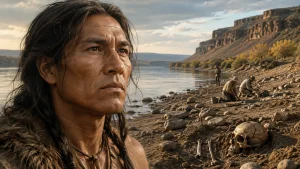
THE ANCIENT MAN BESIDE THE RIVER
Daily Gossips

For Six Months After I Buried My Husband and Both My Children, My Family Sent Cheerful Group-Chat Messages and a Party Invitation as if Nothing Had Happened — Then My Name Hit the News Attached to $18.7 Million, and Suddenly Every One of Them Remembered My Number
Daily Gossips