The 13,000-Year-Old Child Found In Montana – And What His DNA Revealed About The First Americans
Some were primarily focused on ensuring that the research was conducted respectfully and that the remains would be returned after the scientific work was complete.
Others raised more fundamental questions about whether the research was appropriate at all, and whether the genetic data obtained from the analysis would be used in ways that served or harmed Indigenous communities.
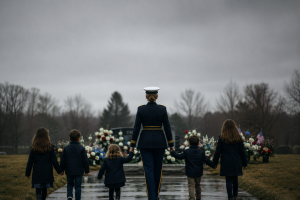
The reburial itself was attended by representatives of multiple tribal nations — the Crow Nation, the Northern Cheyenne, the Blackfeet Nation, and others — reflecting the understanding that a child this old could not be affiliated with any single modern community and that the ceremony of reburial was appropriately shared across the Native nations of the region.
The ceremony included elements drawn from the ceremonial traditions of the attending communities, and it was conducted on the Anzick family’s property, near the location where the child had been found.