The 13,000-Year-Old Child Found In Montana – And What His DNA Revealed About The First Americans
It is not a complete account of a people.
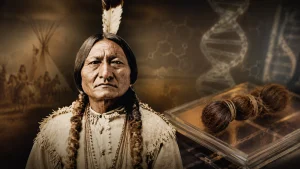
It is a chemical record of inheritance, readable by the sophisticated methods of modern molecular biology, which tells us certain things about population relationships and certain things about individual ancestry.
It does not tell us what language the Anzick child’s people spoke.
It does not tell us what they believed about death and the afterlife that led them to bury a child with more than a hundred carefully crafted tools.
It does not tell us how they organized their communities, what their seasonal movements looked like, what stories they told about the landscape around them, or how they understood their relationship to the world they inhabited.