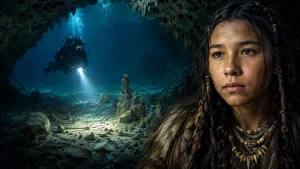
The 13,000-Year-Old Clovis Child Found With Ancient Weapons — And The Burial That Changed America’s First People Story
Why does one child’s burial matter so much?
Why has the Anzick site attracted the sustained scientific attention that it has, and why does it continue to be cited in discussions of American prehistory long after its initial analysis?
The answer is partly about what a single burial can reveal that other types of archaeological sites cannot.
Most Clovis sites are found in two contexts: kill sites, where tools are found in association with animal bones at the locations where animals were hunted or processed, and surface scatters or isolated finds, where artifacts are found without clear context.
Both types of evidence tell us about the technology and the economic activities of Clovis people.
You Might Also Like