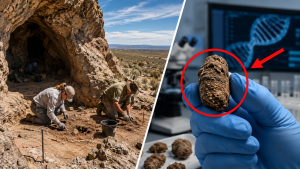
The 13,000-Year-Old Man Found On A California Island — And The Dating Test That Changed The Story Of America’s First Migration
This simultaneity — maritime-capable people on a California island at the same time that other people were hunting mammoths in the interior with distinctive stone tools — was one of the arguments for multiple migration routes and multiple cultural traditions already present in the Americas by the end of the Pleistocene.
The Drowned Coast And What It Hides
One of the most important points in the coastal migration discussion concerns evidence that will almost certainly never be found: the archaeological record of the terminal Pleistocene coastline.
The coastline of California 13,000 years ago was substantially farther from its modern position.
With sea level roughly 80 to 85 meters lower than today, the continental shelf was exposed.
The modern shoreline of the Pacific coast is backed by mountains and sea cliffs in many places, but the shelf extends seaward for many miles before dropping off.