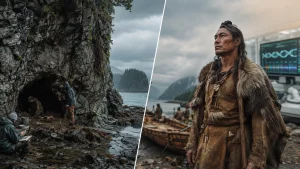
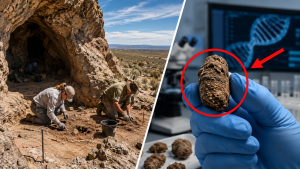
The 13,000-Year-Old Man Found On A California Island — And The Dating Test That Changed The Story Of America’s First Migration
The Chumash of the historical period — the people who were living on the Channel Islands and the adjacent California mainland when Spanish missionaries arrived in the late eighteenth century — represent the best-documented Indigenous culture of the Channel Islands region.
Their language, their social organization, their material culture, and their maritime technology were recorded by missionaries, explorers, and, in the twentieth century, by ethnographers.
The Chumash tomol plank canoe, the complex shell bead economy that functioned as currency across the region, the elaborate cosmology and ceremony — all of these were documented before their disruption.
The question of whether the Arlington Springs individual was Chumash in any meaningful sense is one that requires care.
Thirteen thousand years separate the terminal Pleistocene from the eighteenth century.