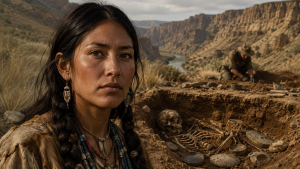
The 14,200-Year-Old Human DNA Found In Ancient Feces — And The Oregon Cave Discovery That Challenged Clovis
The preservation conditions in the caves are what made the coprolite evidence possible.
Caves provide several preservation advantages over open-air sites.
They protect organic material from the direct weathering of precipitation and sunlight.
The alkaline chemistry of the volcanic and carbonate sediments in many cave environments inhibits the microbial decomposition that would destroy organic materials in more chemically active soils.
And the consistently dry conditions of the Great Basin interior — even though the regional climate was wetter during the late Pleistocene than today — helped maintain the desiccation that is one of the most important factors in the preservation of both the coprolites and their organic contents.
This preservation context is worth dwelling on, because it explains something about why the Paisley evidence takes the specific form that it does.