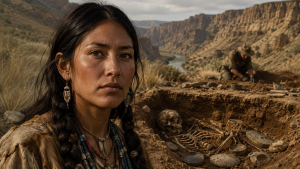
The 14,200-Year-Old Human DNA Found In Ancient Feces — And The Oregon Cave Discovery That Challenged Clovis
The multi-season nature of the research has allowed the team to expand the area of excavation incrementally, to apply new analytical methods as they became available, and to return to specific areas of the site with additional questions as the initial results generated those questions.
This is the normal rhythm of productive archaeological research at complex sites, but it requires sustained institutional support and a long-term commitment from the researchers and their institutions that not all archaeological projects receive.
The collaboration between Jenkins’s field program and the laboratory scientists who conducted the ancient DNA analysis and the fecal lipid biomarker work reflects another important aspect of modern archaeological research: the integration of specialist expertise across multiple disciplines.
No single researcher or research group has the full range of expertise needed to carry out all aspects of the Paisley research program.