The 24,000-Year-Old Bones Found In A Yukon Cave — And The Cut Marks That Pushed Humans In North America Farther Back In Time
The caves and rock overhangs that punctuate the limestone ridges of the region — of which Bluefish Caves is one example — would have been valuable resources for the human occupants of the landscape.
In a landscape without trees large enough to provide structural timber for construction, natural shelter was a premium resource.
The caves provided wind protection, a stable thermal environment (caves maintain temperatures close to the mean annual air temperature, which during the Last Glacial Maximum was cold but predictable), and surfaces on which to maintain fires with much less fuel requirement than an open-air camp would need.
The OldCrow Fossil Beds and the Broader Regional Context
You Might Also Like

The Weight of a Small Thing
Daily Gossips

Fight Smart
Daily Gossips

My Mother Hid My Ex-Wife’s Pregnancy. My Fiancée Forged the Payoff. I Didn’t Find Out for Five Years
Daily Gossips
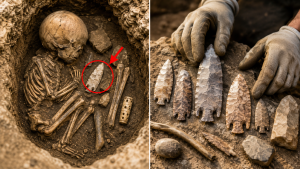
The 13,000-Year-Old Clovis Child Found With Ancient Weapons — And The Burial That Changed America’s First People Story
Daily Gossips