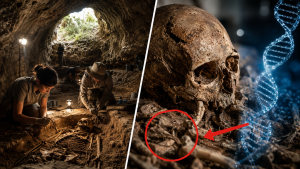
The 24,000-Year-Old Bones Found In A Yukon Cave — And The Cut Marks That Pushed Humans In North America Farther Back In Time
The growing body of ancient DNA evidence from early Native Americans and from related northeastern Asian populations will continue to provide independent constraints on the timing and character of the American founding, and the integration of this genetic evidence with the archaeological evidence from sites like Bluefish Caves will progressively sharpen the picture of what actually happened in the Beringian landscape during the Last Glacial Maximum.
The story of Bluefish Caves is, in the most literal sense, unfinished.
The caves are still there, still holding whatever sediment and organic material have not yet been excavated or analyzed.
The collections at the Canadian Museum of History still contain thousands of specimens that have not been subjected to the kind of systematic taphonomic analysis applied in the 2017 study.
The methods that will be available to researchers in ten or twenty years are likely to be significantly more powerful than those available today.