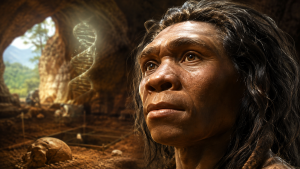
The 24,000-Year-Old Boy Buried With 120 Beads And A Mammoth-Ivory Tiara — And The DNA Test That Revealed A Hidden Source Of Native American Ancestry
The specific ethical obligations that govern this kind of research — the obligations to consult with Indigenous communities whose ancestral remains may be involved, to handle such remains with respect, and to communicate findings in ways that are accurate and not harmful to living communities — are matters of ongoing discussion in the fields of archaeology and ancient genomics.
The MA-1 case is somewhat different from cases involving remains from within the Americas, where specific legal frameworks such as the Native American Graves Protection and Repatriation Act (NAGPRA) in the United States govern the treatment of Indigenous remains.
The Mal’ta site is in Russia, and the remains are from a period so ancient that identifying specific descendant communities is not possible in the genealogical sense.
The 2014 paper and subsequent research have engaged with the implications of the findings for understanding Native American ancestry, but the remains themselves are Siberian in provenance.