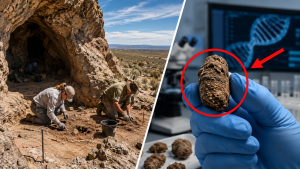
The 5,300-Year-Old Man Found Frozen In The Alps — And The DNA Test That Revealed His Hidden Origins
The individuals who worked with Ötzi’s samples, or who processed the samples in the laboratory, carried the steppe ancestry that is present in virtually all modern non-Sardinian Europeans.
When their DNA contaminated the ancient sample, it introduced this ancestry signal into the analysis.
The contamination was not obvious from the 2012 data alone.
The methods for detecting and excluding modern contamination in ancient DNA samples have improved substantially over the decade between the two analyses.
In 2012, the level of contamination present in the Ötzi sample was below the threshold that the available authentication methods could reliably detect.
By 2023, those methods had improved enough to identify the contamination and exclude it from the analysis.