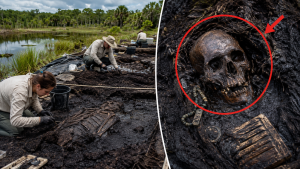
The 6,000-Year-Old People Found Near Bogotá — And The DNA Test That Revealed A Native American Lineage That Vanished From The Genetic Record
The Muisca people, whose ancestors the 2025 study’s genetic data traces through the Herrera and Muisca periods, did not disappear with the Spanish conquest.
The Muisca population was devastated by the disease, displacement, forced labor, and cultural suppression that accompanied colonization, but biological and cultural continuity persisted.
Descendants of the pre-Columbian Muisca communities are present in the Bogotá Altiplano today, organized in communities (cabildos) that have successfully pursued legal recognition of their identity and territorial rights within the Colombian legal framework.
The Muisca communities of today — including those in Suba, Bosa, Engativá, Cota, Chía, Tocancipá, Tenjo, and other municipalities of the Cundinamarca Department — are engaged in processes of cultural revitalization, including the reconstruction and teaching of Muysccubun, the Muisca language that ceased to be spoken in the nineteenth century.
These communities maintain connections to the archaeological and historical record of the Altiplano, and the findings from the 2025 genetic study are part of a scientific conversation that affects their understanding of their own history.