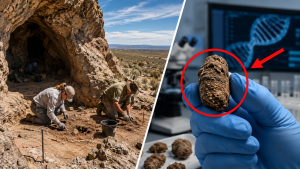
The 6,000-Year-Old People Found Near Bogotá — And The DNA Test That Revealed A Native American Lineage That Vanished From The Genetic Record
Two more came from a site called Purnia in the Los Curos area, associated with Guane populations, dating to approximately 530 years before present.
This five-site, 21-individual, 5,500-year time span is what the researchers called a “genomic transect” — a time series of genetic snapshots from the same geographic region, allowing them to track how the population’s genetics changed over time.
What the transect revealed was unexpected at every major step.
The Americas Before Colombia: The Necessary Background
To understand what the Checua individuals’ genomes revealed about their position in American prehistory, it is necessary to understand something about the broader story of how the Americas came to be populated.
This is a story that ancient DNA research has significantly revised and complicated over the past decade, and the Colombia findings fit within that revised picture in ways that matter.