The 64 Maya Boys Buried Beneath Chichén Itzá — And The DNA Test That Found Two Pairs Of Identical Twins
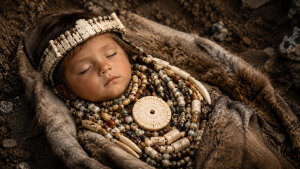
Amid the genomics and the statistics and the interpretive frameworks, it is worth pausing to remember that the 64 analyzed individuals were children.
They were young — described as subadults, meaning they had not yet reached physical maturity at the time of their deaths.
They grew up in households, were cared for by adults, ate food and drank water and learned the language and customs of the community that raised them.
Their genetic data shows that some of them were brothers, and that some of them were twins — pairs who shared not only their genetic makeup but the specific experience of being born together, of growing up as twins in a culture that invested deep meaning in twinhood.
They had bodies and faces and personalities that are not accessible to any scientific analysis.