The 8,000-Year-Old Cemetery Found Beneath A Florida Pond — And The Human Brain Tissue Still Preserved Inside The Skulls
In a mobile hunter-gatherer community, recovering from a broken leg while others continue to move and forage requires others to provide food and protection for the injured person.
The healed fractures at Windover indicate that this provision was made.
The burial of infants and very young children with personal ornaments and other grave goods indicates that the community acknowledged even its youngest members as individuals deserving of specific recognition in death.
This is not universal in prehistoric mortuary practices; in some contexts, infant and child mortality was so common that young children were not accorded the same mortuary treatment as adults who had established social identities.
At Windover, the evidence runs the other way.
You Might Also Like
Everyone in That House Was Counting on Him Never Walking Again. He Was Hiding the Fact That He’d Started To
Daily Gossips

The Ledger of Freedom
Daily Gossips
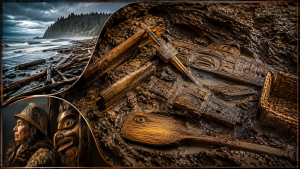
The Native Village Buried By A Mudslide For 500 Years — And The 55,000 Artifacts Found Preserved Beneath The Mud
Daily Gossips

The Top of the Cap Table
Daily Gossips