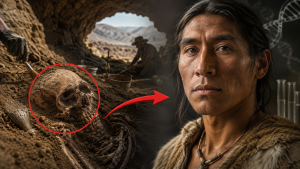
The 8,800-Year-Old Man Found 1,000 Feet Inside A Colorado Cave — And The DNA Test That Linked Him To A Native American Founder Lineage
The exploration or resource prospecting hypothesis is closely related.
Caves have been used by human communities around the world and throughout history for specific resources — particular minerals, specific clay deposits, water sources in otherwise dry terrain, shelter from extreme weather.
In some parts of North America, prehistoric peoples used caves as sources of specific materials — pigments, for example, or particular types of stone — that were not available elsewhere.
The Hourglass Cave region is limestone and dolomite terrain, and the caves in this rock type can contain mineral formations — stalactites, stalagmites, flowstone, cave pearls — as well as clay deposits and other materials that might have been valued for specific uses.
Whether the man was looking for such materials, or whether he was simply exploring a natural feature of his landscape out of the kind of curiosity and acquisitiveness that characterizes human beings in general, is not established by the physical evidence.