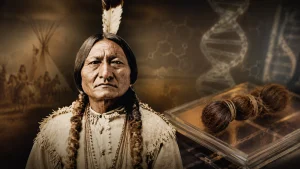
The 9,000-Year-Old Child’s Tooth Found In An Alaska Cave — And The DNA Test That Revealed A Lost Population Of The First Americans
Between 9,000 years and the ethnographic present, the Alaskan and broader Arctic human genome record is being assembled piece by piece as more ancient specimens are analyzed.
Ancient genomes from Greenland have contributed important evidence about the population history of the eastern Arctic, including the now-famous analysis of a 4,000-year-old individual from the Saqqaq culture — one of the earliest ancient human genomes to be published and one that demonstrated the feasibility of ancient-genome analysis from Arctic specimens.
More recent analyses of ancient Greenlandic genomes have illuminated the complex population history of the eastern Arctic, including evidence for population replacements and movements across the circumpolar region in the past several thousand years.
Ancient genomes from the Canadian Arctic and subarctic are being assembled with increasing systematicity, and findings from these regions will contribute to understanding how Ancient Beringian and Northern Native American ancestry was distributed across the broader North American Arctic over time.