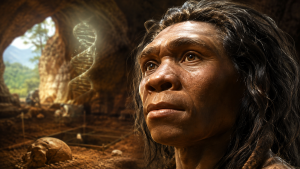
The 9,000-Year-Old Child’s Tooth Found In An Alaska Cave — And The DNA Test That Revealed A Lost Population Of The First Americans
The bones of Ice Age animals — mammoths, horses, bison — are found in remarkable abundance in Alaskan permafrost deposits, because those animals died in conditions that allowed rapid permafrost burial.
The human beings who lived alongside those animals left a far sparser record, partly because human populations were small and partly because the specific conditions needed to preserve human remains were less frequently met.
The few early human remains known from Alaska and the surrounding region were therefore scientifically precious in a way that their individual physical size or apparent impressiveness might not suggest.
A single tooth — recognizable as human, recovered from a dated archaeological context, potentially preserving enough material for analysis — was exactly the kind of specimen that researchers needed.