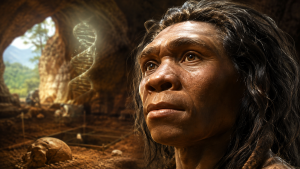
The Ancient Girl Whose DNA Revealed Her Parents Were Two Different Human Species
The development of new methods for recovering ancient DNA from more challenging contexts — from sediments without obvious fossil remains, from enamel that may survive degradation better than bone — is expanding the range of specimens and sites that can contribute to the ancient genomic record.
Researchers have recovered Denisovan DNA from sediment samples at Denisova Cave — essentially the environmental DNA left by organisms that lived or died there, without requiring a specific fossil specimen.
This approach, applied to other ancient sites, could dramatically expand the geographic and temporal range over which ancient hominin populations can be detected.
The application of protein analysis — ZooMS and related methods — to museum collections around the world is identifying specimens that, despite having been collected decades or even centuries ago, contain material that can now be subjected to genetic analysis.
This retrospective screening of existing collections is a potentially rich source of new data, allowing researchers to study specimens that were collected before genetic analysis was possible.