The Ancient Native American Found 2.5 Miles Inside Mammoth Cave — And The Mystery Of Why His People Went So Deep Underground
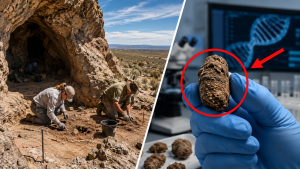
Researchers studying the plant remains from Mammoth Cave paleofeces have identified seeds and pollen from cultivated plants, indicating that at least some of the people who entered the cave were part of communities that had developed agricultural practices above ground.
The Green River valley was, by all archaeological evidence, a productive and well-populated environment during the period of cave mining.
Archaeological sites along the river and its tributaries document substantial communities engaged in diverse food-getting strategies — fishing the rich river, hunting the forest game, gathering wild plant foods, and cultivating specific crops.
The cave was not the only resource of this landscape; it was one element of a sophisticated and varied subsistence economy.
The trade networks that moved materials across the Eastern woodlands during this period were extensive enough to bring marine shells from the Gulf Coast into central Kentucky, copper from the Great Lakes region into the lower Mississippi valley, and mica from the southern Appalachians into communities throughout the Midwest and South.