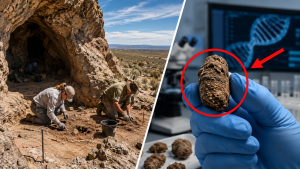
The Ancient Native City Hidden Beneath America – And Why Scientists Think It Was Once One Of The Largest Settlements North Of Mexico
Some of the dispersal moved east, into the river valleys of Indiana, Ohio, and beyond, where the patterns of Mississippian influence on earlier traditions had long been evident.
The great hinterland towns that had supplied Cahokia with food and other resources likely absorbed some of the population that could no longer be sustained in the urban core.
The specific movements of specific people during Cahokia’s decline are, necessarily, invisible in the archaeological record as individual acts.
What is visible is the pattern — the changes in population density at different sites, the appearance of Cahokia-related material culture in new locations, the evidence of communities that received and integrated new population from elsewhere during the relevant period.
This population movement was not a catastrophe.